Start Here
Your First Steps Into Flight Training
New to aviation? We explain what to expect, what you need, and available resources to help you move from curious visitor to prepared student pilot.
First Steps
How to Begin
You do not need aviation experience before your first visit. The early goal is simple: confirm your interest, understand the requirements, and choose a training rhythm you can keep.
Start With Your Goal
Tell us whether you want to fly for fun, personal travel, or a future aviation career. That goal shapes your first training plan.
Contact UsTake a Discovery Flight
An introductory flight lets you meet an instructor, see the aircraft, and experience a real lesson before committing to a full program.
Schedule a Discovery FlightChoose Your First Program
Most new students begin with Private Pilot training, then add ratings such as Instrument, Commercial, Multi Engine, or CFI as their goals grow.
Explore Flight Training ProgramsSet a Lesson Schedule
Consistency matters. Flying regularly helps you retain skills and reduces time spent relearning between lessons.
Track Each Milestone
Your instructor helps you move through ground knowledge, aircraft control, solo readiness, cross-country work, and checkride preparation.
First Lesson
What to Expect the First Time
Your first training experience is not a test. It is an orientation to the aircraft, the airport, and the way lessons are structured.
Before the Flight
You will talk through goals, safety basics, aircraft familiarization, and what the instructor will handle during the lesson.
During the Flight
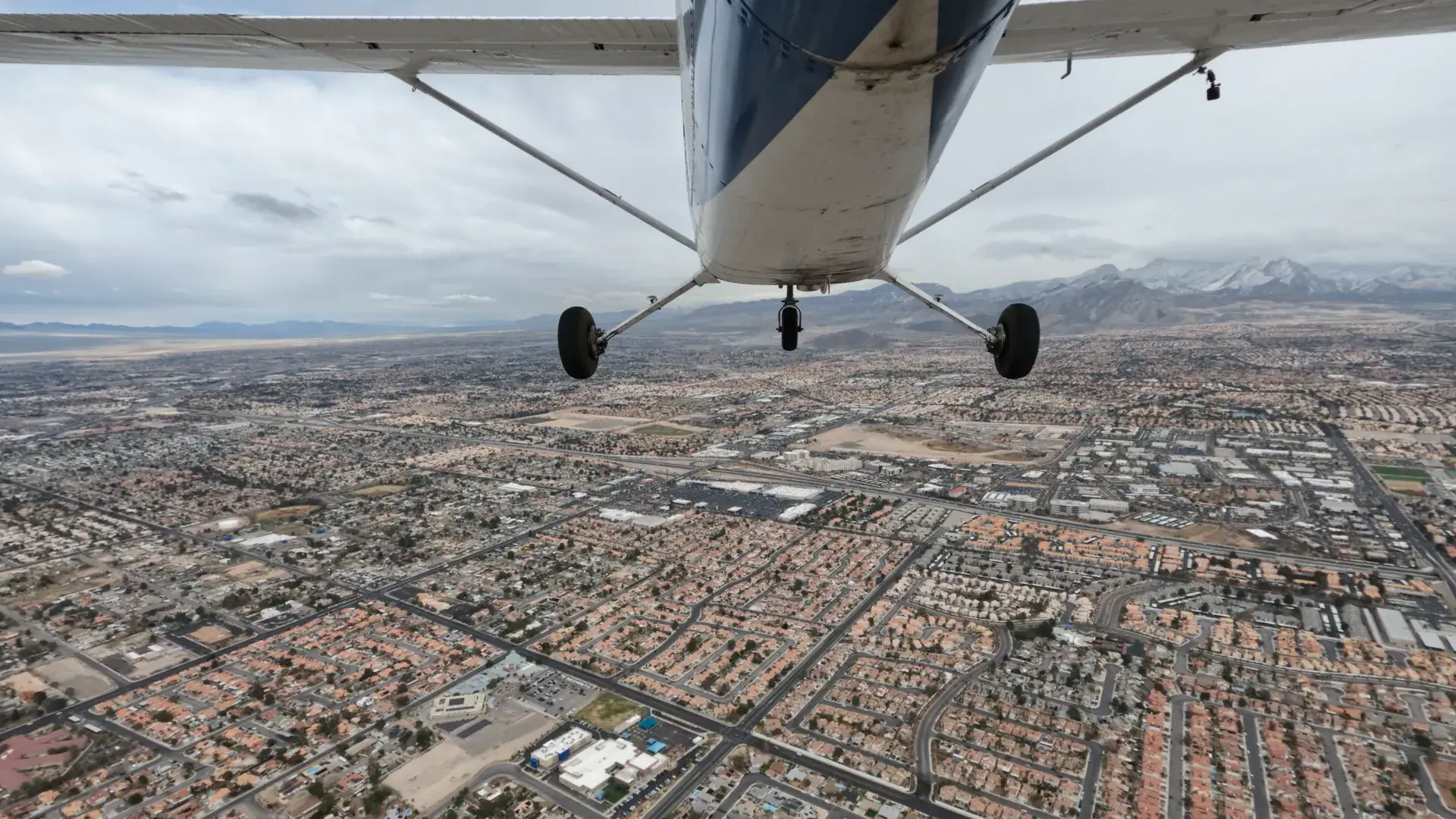
You may get hands-on time with basic aircraft control while your instructor manages the lesson environment and safety responsibilities.
After Landing
You will debrief what went well, what felt new, and what the next training step would look like.
Student Checklist
What You Need, and When
Some items are needed right away, while others are required before solo flight. Handling them early keeps training from stalling.
Bring Early
- Government-issued photo ID
- Comfortable clothing and closed-toe shoes
- Questions about your goals, schedule, and budget
Plan Before Solo
- FAA medical certificate
- Student pilot certificate
- Proof of U.S. citizenship or TSA approval, depending on your situation
Useful Training Gear
- Logbook
- Aviation headset
- Ground school or study materials
Training Overview
What Flight Training Entails
Flight training blends study, cockpit practice, and instructor feedback. Each part supports the others so you understand both how to fly the airplane and how to make safe decisions.
Ground Training
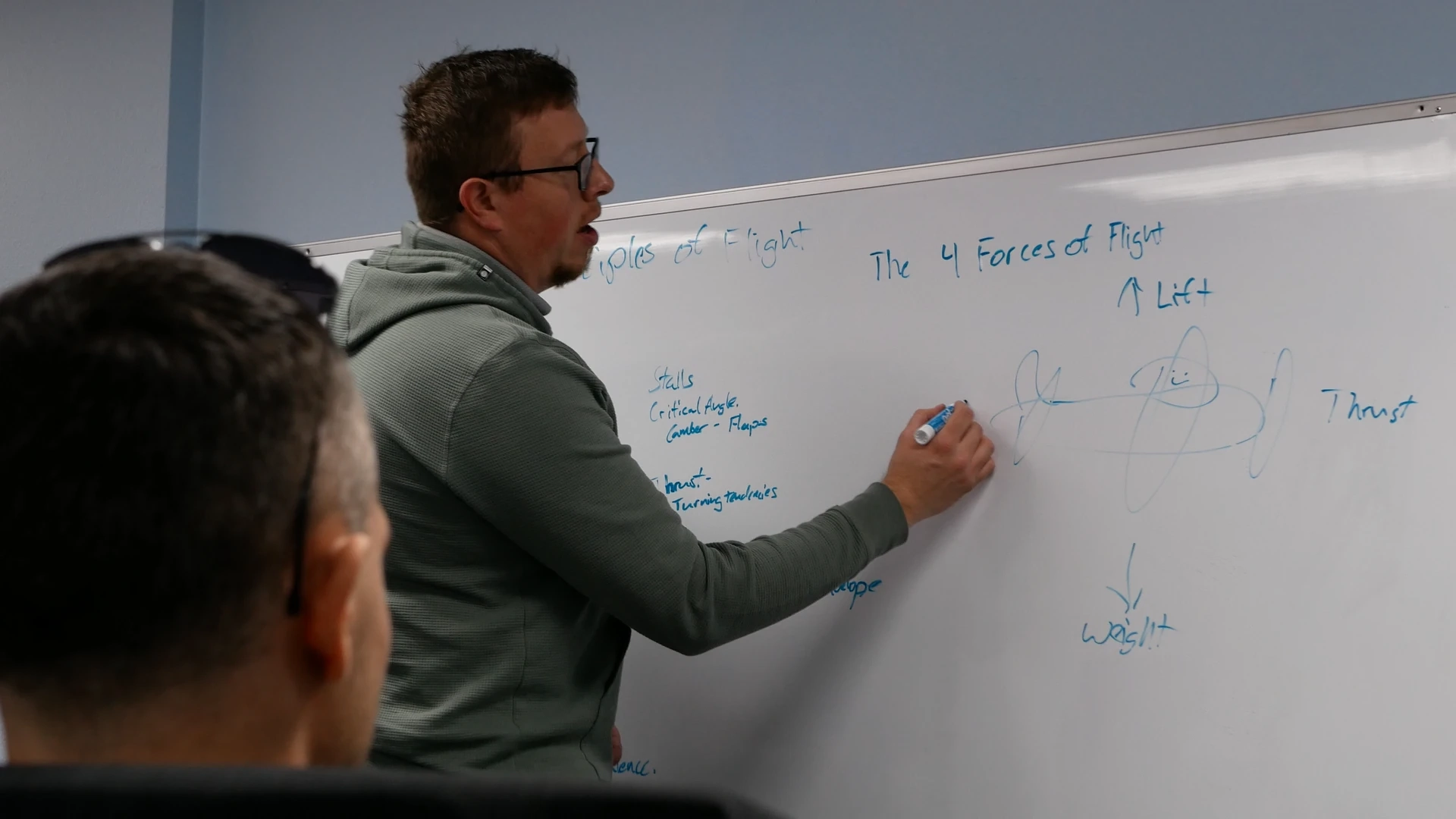
You learn airspace, weather, aircraft systems, navigation, regulations, performance, weight and balance, and flight planning.
Flight Lessons
You practice aircraft control, takeoffs, landings, radio communication, emergency procedures, cross-country planning, and solo readiness.
Progress Checks
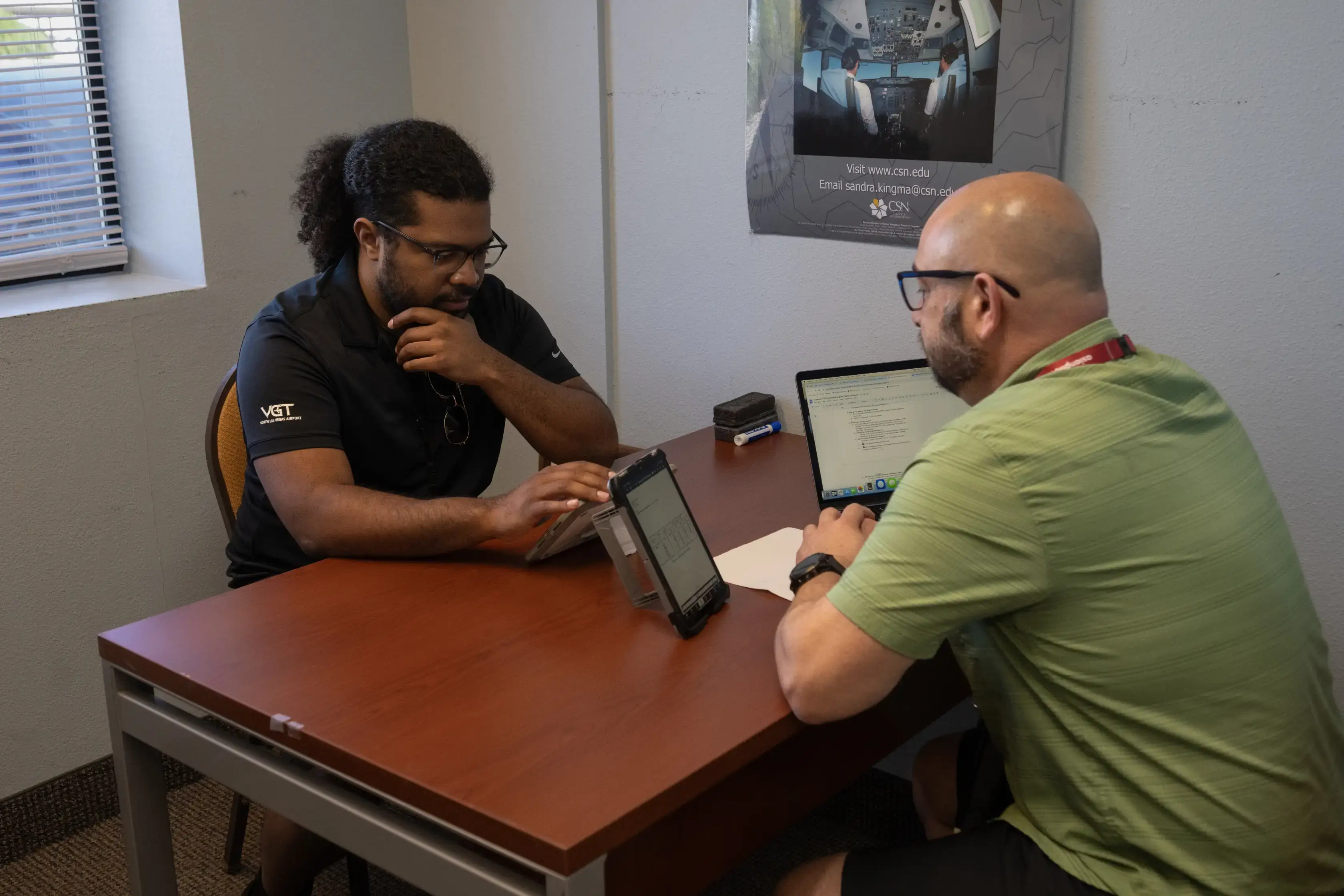
Your instructor tracks skills against FAA standards, recommends study priorities, and signs you off when you are ready for each milestone.
Next Question
What Are You Trying to Decide?
The best next step depends on whether you need confidence, requirements, program details, or cost planning.
Useful Links
Resources for New Students
These resources focus on readiness: requirements, cost planning, financing options, and training path decisions.
YOUR PILOT CAREER STARTS HERE
Take Off with Vegas Aviation
Experience personalized flight training with our instructors, they are passionate people dedicated to your success. Whether you're starting your first lesson or advancing your skills, Vegas Aviation offers a supportive community and expert guidance every step of the way.