
Lydia T.
How to Master IFR Landings
In This Article
Earning your instrument rating is a major milestone that transforms you into a more precise and capable pilot. One of the most demanding phases of IFR flight is the transition from flying solely by instruments to making a visual landing. When you are flying an approach into North Las Vegas Airport, the workload is high, and the margin for error is small.
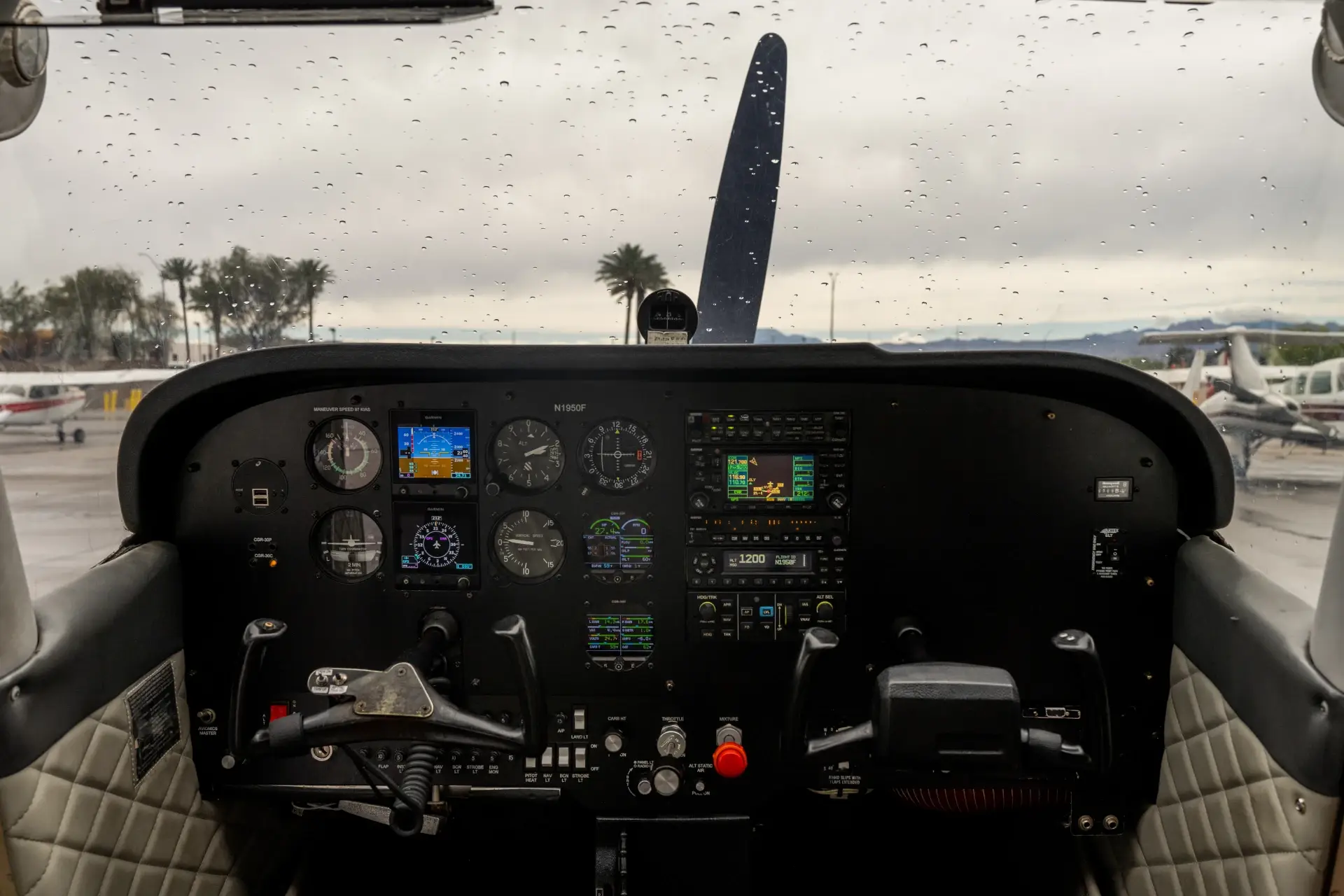
At Vegas Aviation, we train our students to handle these high-pressure moments with a standardized approach. Whether you are using the Garmin G5 flight displays in our Cessna 172 fleet or practicing in our advanced flight simulator, mastering the “breakout” is a matter of discipline and preparation.
Establish a Stabilized Foundation
A successful IFR landing starts long before you see the runway. You must have the aircraft in a stabilized state well before you reach the final approach fix. This means your airspeed is on target, your descent rate is constant, and the aircraft is properly trimmed.
If you are fighting the controls while trying to track a localizer, you won’t have the mental bandwidth to look for the runway environment. By using standardized power settings and flap configurations, you can ensure the aircraft practically flies itself down the glide path, allowing you to focus on the transition.
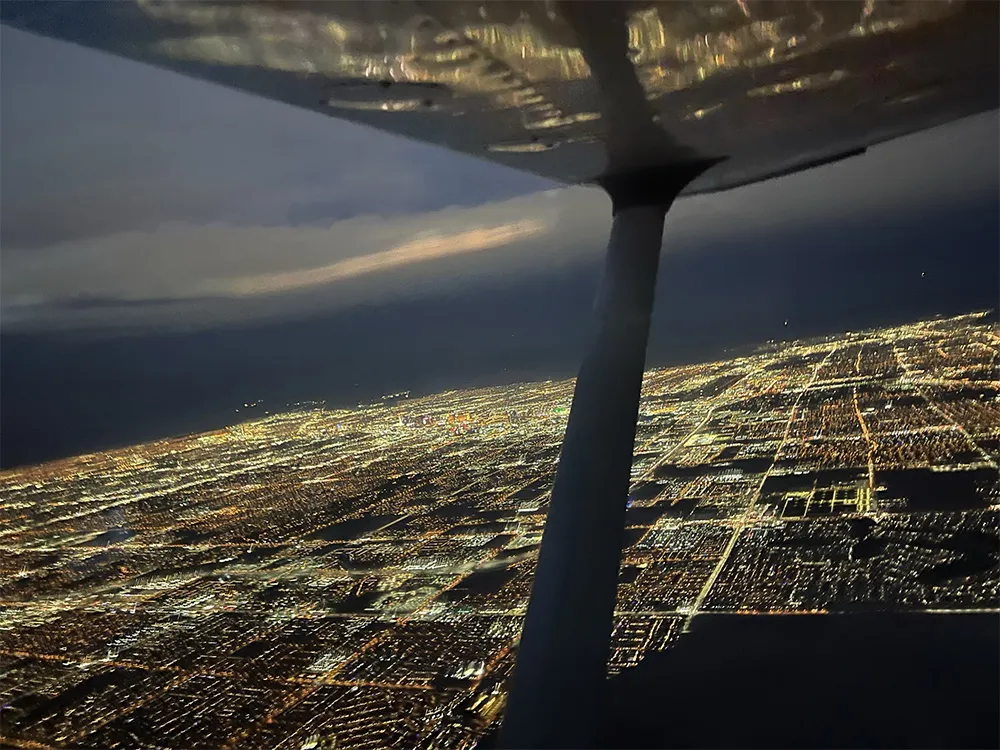
Navigating the Decision Altitude
As you descend toward your decision altitude or missed approach point, your primary focus remains on your instruments. One of the biggest mistakes a pilot can make is “peeking” outside too early. This can lead to spatial disorientation, especially in the hazy conditions sometimes found in Southern Nevada.
Keep your eyes on the panel until your altitude reaches the minimums. At that point, you should make a clear, verbal callout. If the runway environment is not in sight, you must be prepared to immediately execute the missed approach procedure. Safety is about being proactive, if the landing isn’t certain, go around and try again.
Transitioning to Visual Cues
Once the approach lights or runway markings become visible through the windshield, you must shift your focus without losing control of your flight path. Avoid the urge to immediately “dive” for the runway. Instead, continue following your instrument guidance while slowly incorporating visual references.
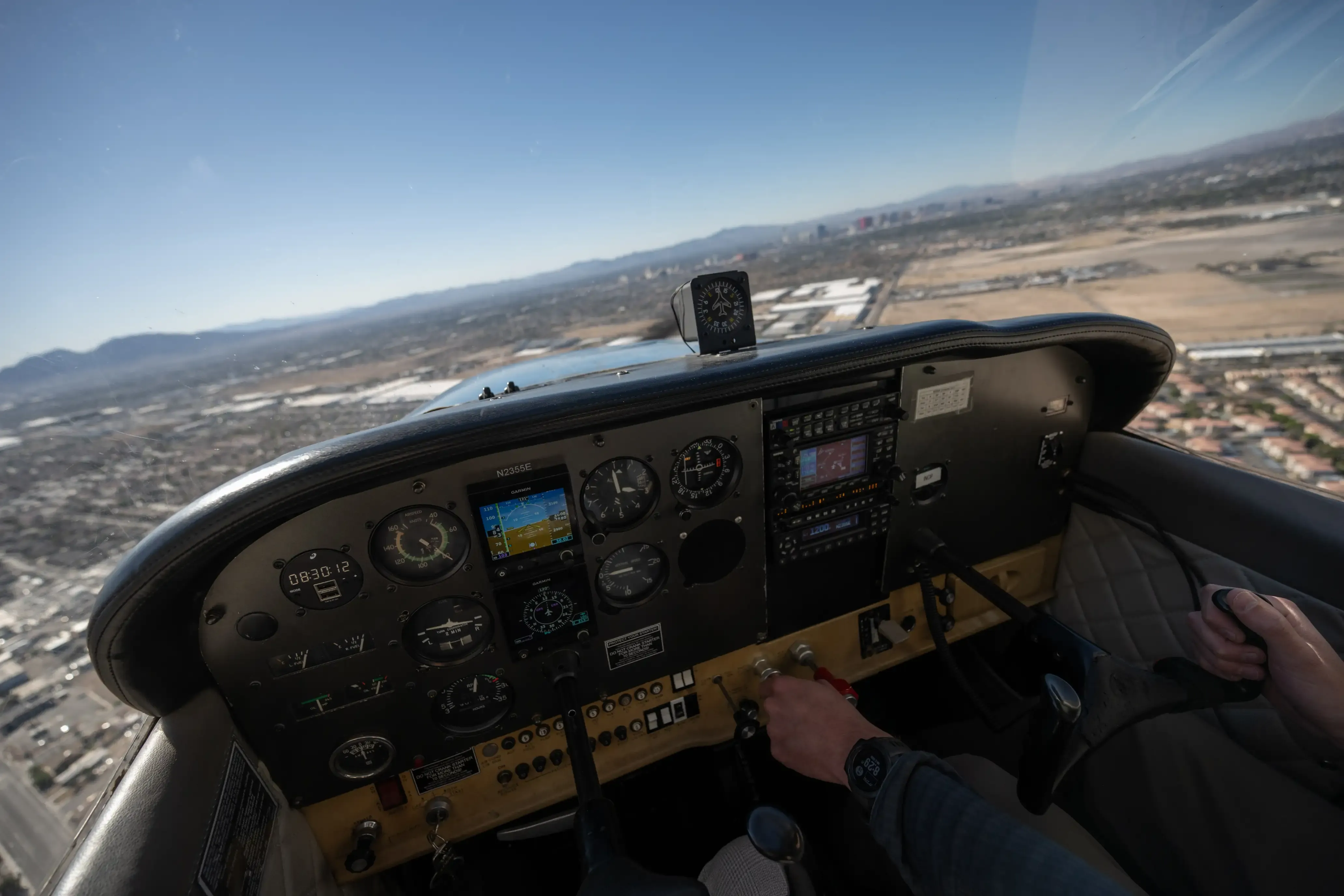
This transition requires a disciplined scan. Look outside to identify the runway, then glance back at your airspeed and vertical speed indicators to ensure you haven’t deviated from your stabilized approach. Once you have firmly established visual contact and are in a position to land, you can transition fully to visual flight and complete the landing flare.
Professional Training at Vegas Aviation
Mastering these skills takes practice and expert guidance. At Vegas Aviation, we offer comprehensive instrument rating programs designed to take you from a private pilot to a confident IFR aviator. Our location at North Las Vegas Airport provides the perfect environment to practice these procedures in a professional, real-world setting.
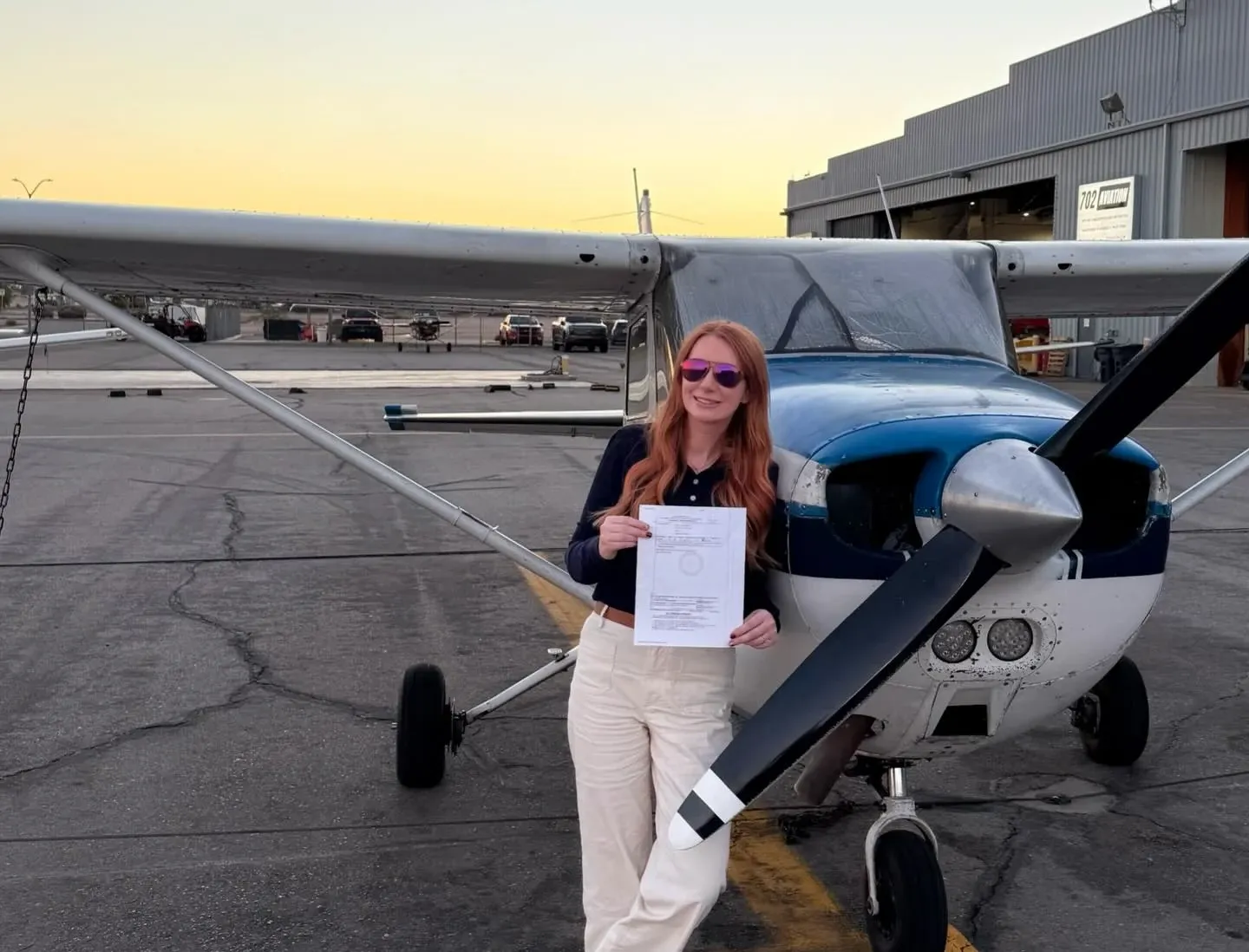
If you are ready to take the next step in your aviation career or simply want to sharpen your instrument skills, our team is here to support you. We provide the modern equipment and personalized instruction needed to make every landing a safe one.
Ready to advance your pilot skills?
Send a message through our contact form or call us directly at (888) 2Fly-Vegas to schedule your next instrument training session.