
Tom T.
How to Prepare Your Aircraft for the North Las Vegas Summer
In This Article
Flying in Southern Nevada offers some of the most spectacular views in the country, but the summer sun at North Las Vegas Airport (KVGT) is relentless. When the thermometer hits triple digits, your aircraft feels the heat just as much as you do.
At Vegas Aviation, we prioritize a proactive safety culture. Maintaining our fleet of Cessna 172s and Beechcraft Duchesses in peak condition requires specific attention during these warmer months. Whether you’re a student pilot or an aircraft owner, here is how to keep your plane healthy when the desert heat arrives.
Protecting the Cockpit and Avionics
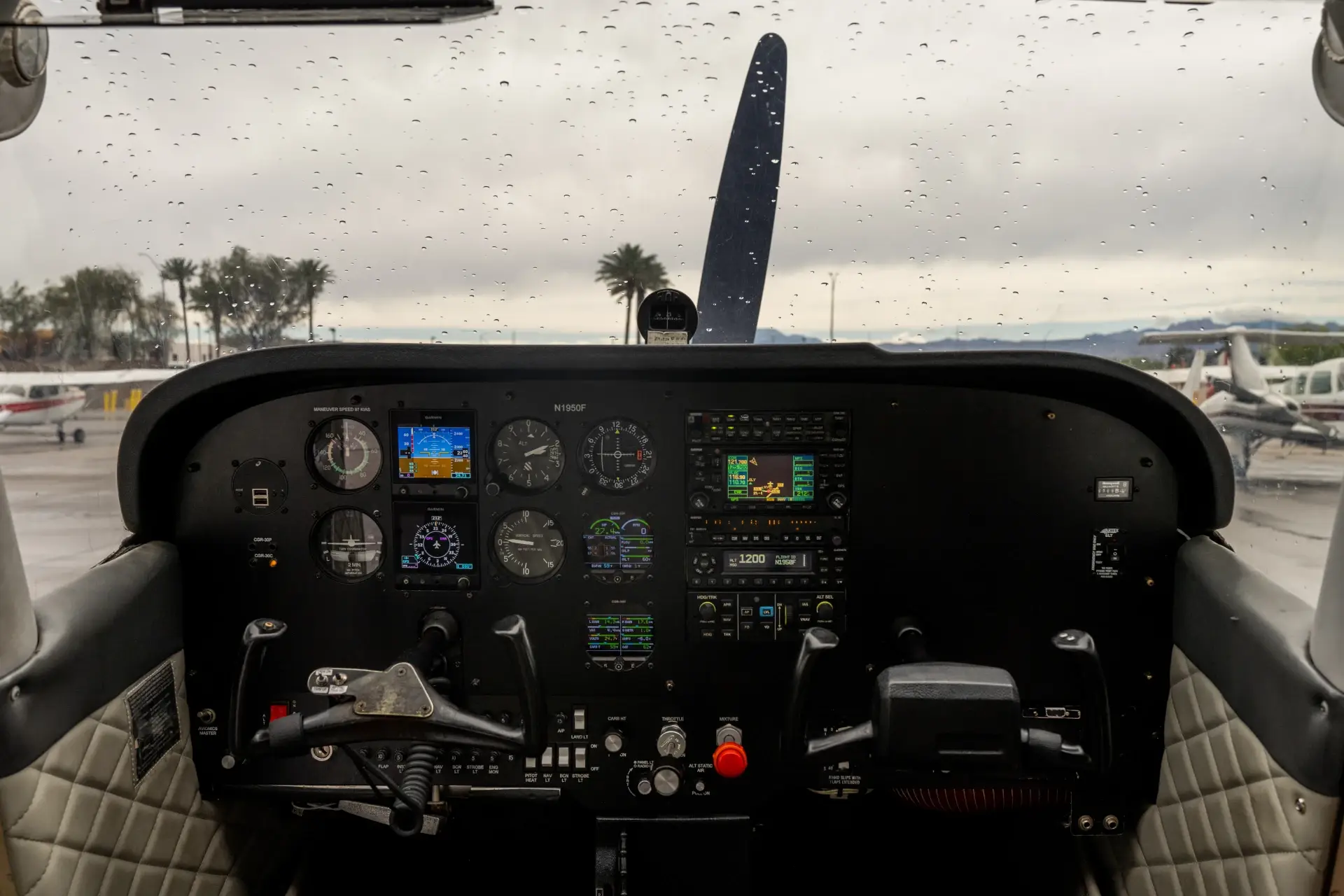
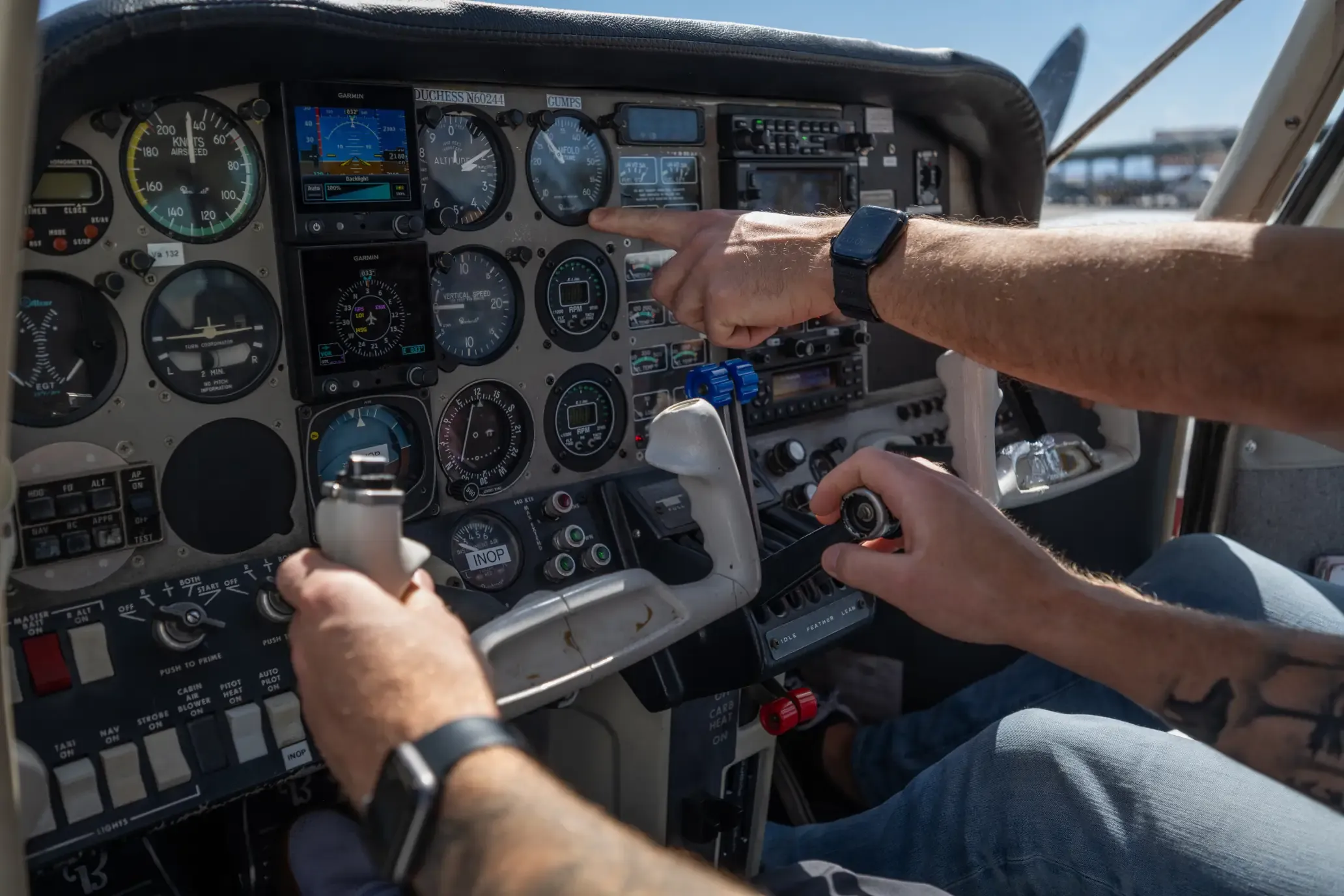
The greenhouse effect inside a parked aircraft can quickly lead to temperatures that exceed the operating limits of sensitive electronics. Protecting your panel is the first step in summer care.
- Reflective Sunshades
Use high-quality shades for the windshield and side windows to block UV rays and significantly lower the cabin temperature, protecting your Garmin avionics from overheating. - Cabin Covers
If you are parked on the ramp for more than a few hours, a full external cover provides an extra layer of protection and prevents window seals from cracking. - Ventilation Strategies
If the aircraft is secure, consider leaving the vents slightly cracked or using a small solar-powered fan to keep air moving and prevent heat from soaking into the airframe.
Engine and Fluid Management
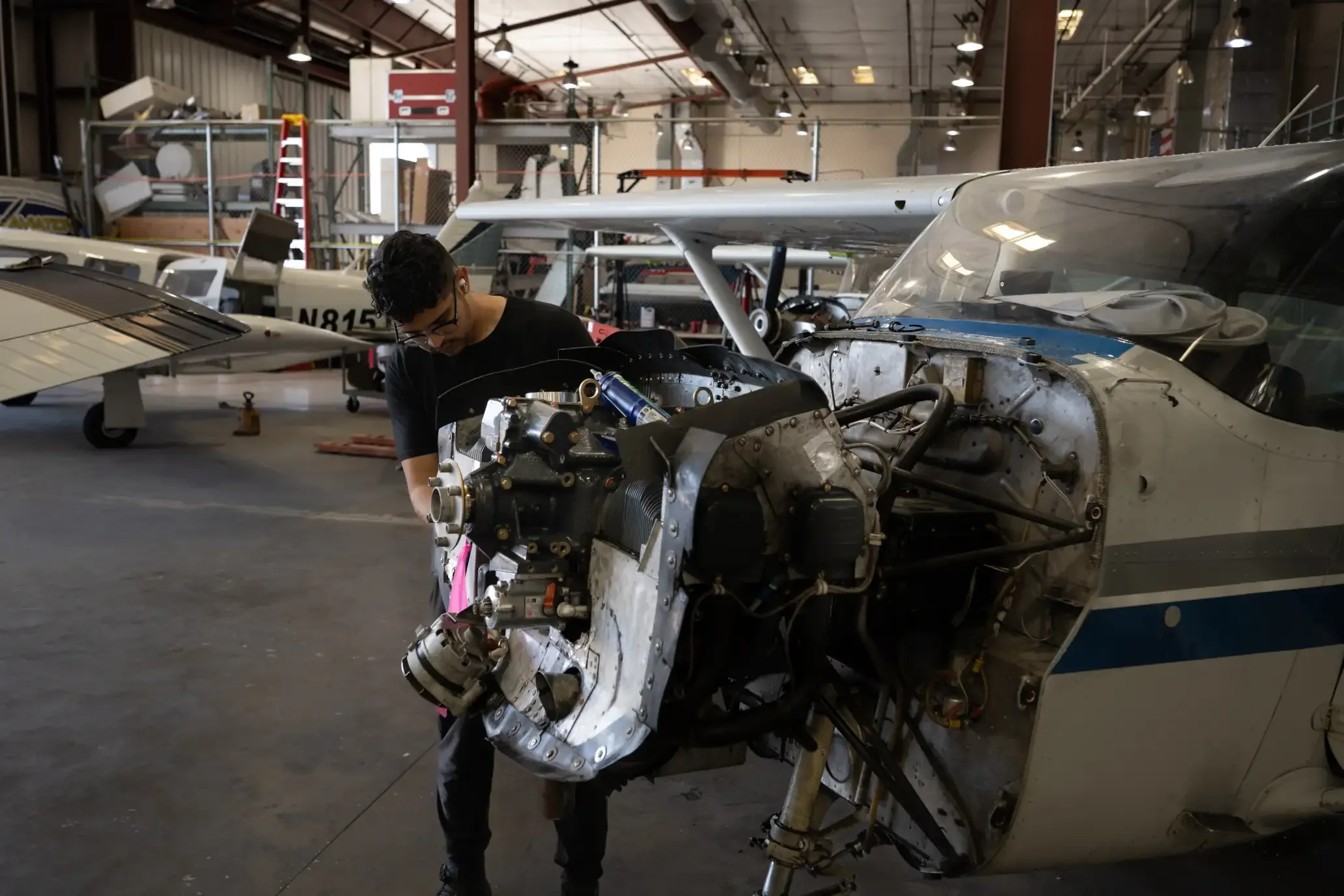
Heat is the enemy of engine longevity. During your pre-flight, pay extra attention to the fluids that keep your engine running cool.
- Oil Viscosity and Levels
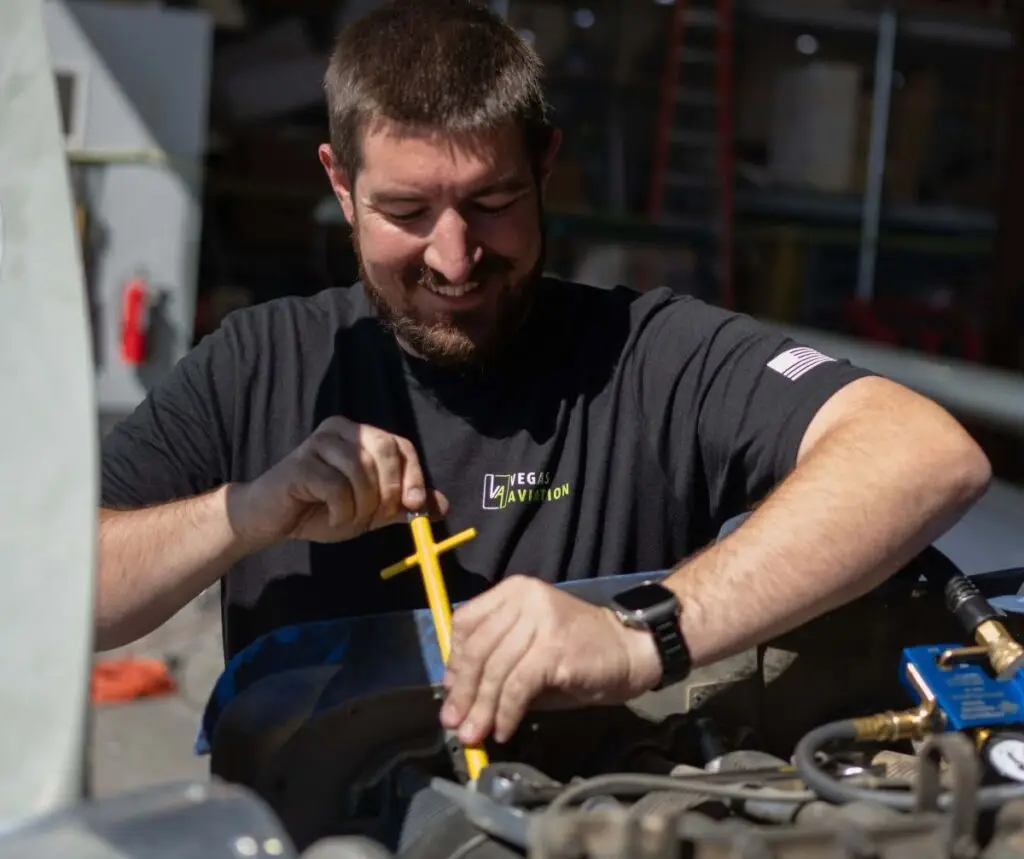
Check your oil levels religiously, as high operating temperatures can lead to increased consumption or thinning, and ensure you are using the correct grade for summer operations. - Fuel Expansion
Avoid “topping off” the tanks to the very brim if the plane will be sitting in the sun, as fuel expands when it warms up and can vent out onto the pavement. - Vapor Lock Awareness
Be mindful of fuel lines on hot restarts; the desert heat can cause fuel to vaporize in the lines, making the engine difficult to start or causing it to run roughly.
Tires, Brakes, and Airframe
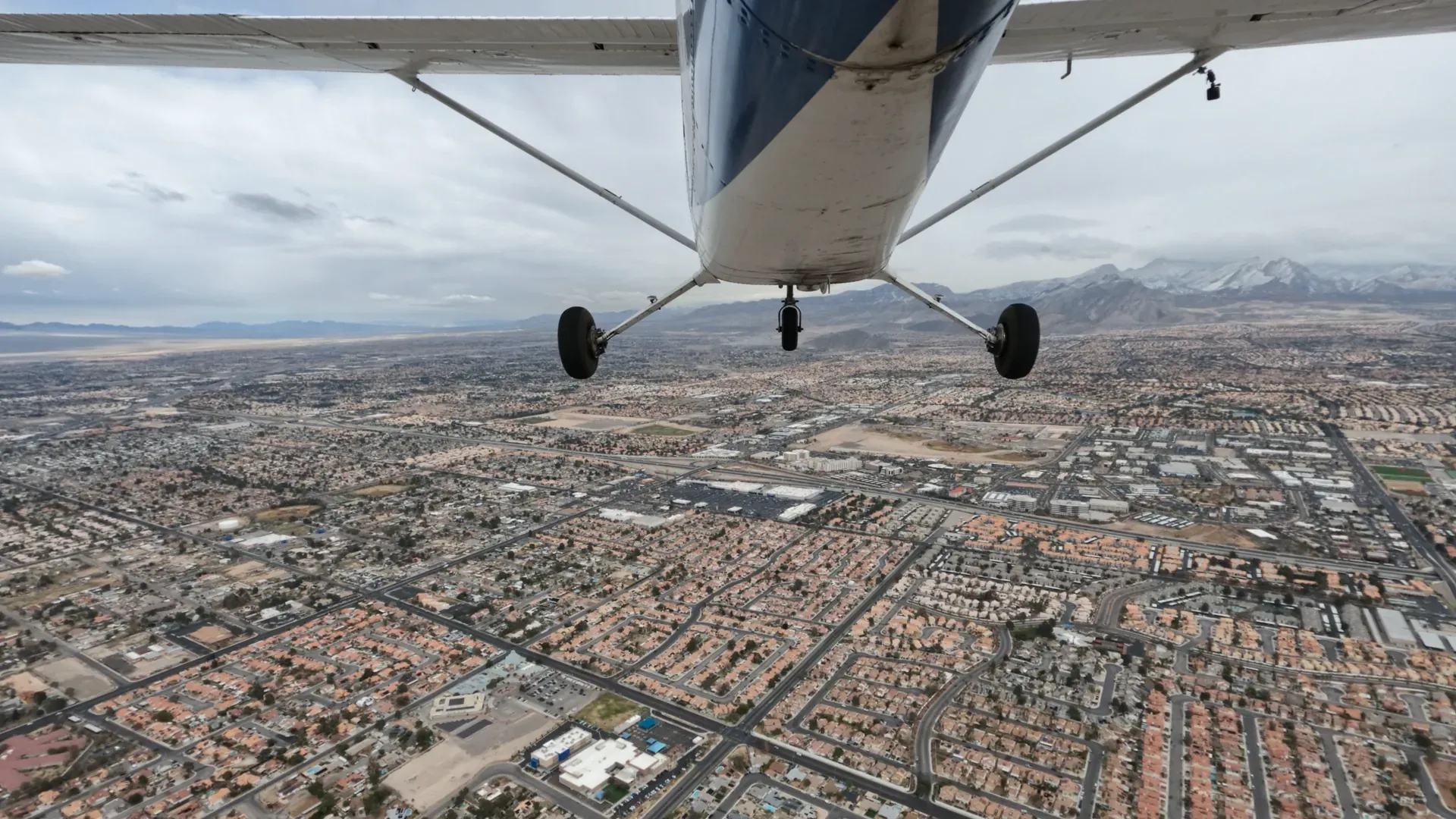
The asphalt on the North Las Vegas ramp can become hot enough to fry an egg, and it’s just as tough on your rubber and specialized components.
- Tire Pressure Monitoring
Air pressure increases as the temperature rises, so check your tires to ensure they aren’t over-inflated, which can lead to accelerated wear or a blowout on landing. - Brake System Inspection
Heat can cause brake fluid to expand and seals to degrade more quickly, so check for any signs of leaks or “spongy” pedal feel during your taxi. - Clean Leading Edges
Keep the wings and cowling clean of desert dust and insects, as baked-on debris can disrupt airflow and slightly decrease cooling efficiency.
The Density Altitude Factor
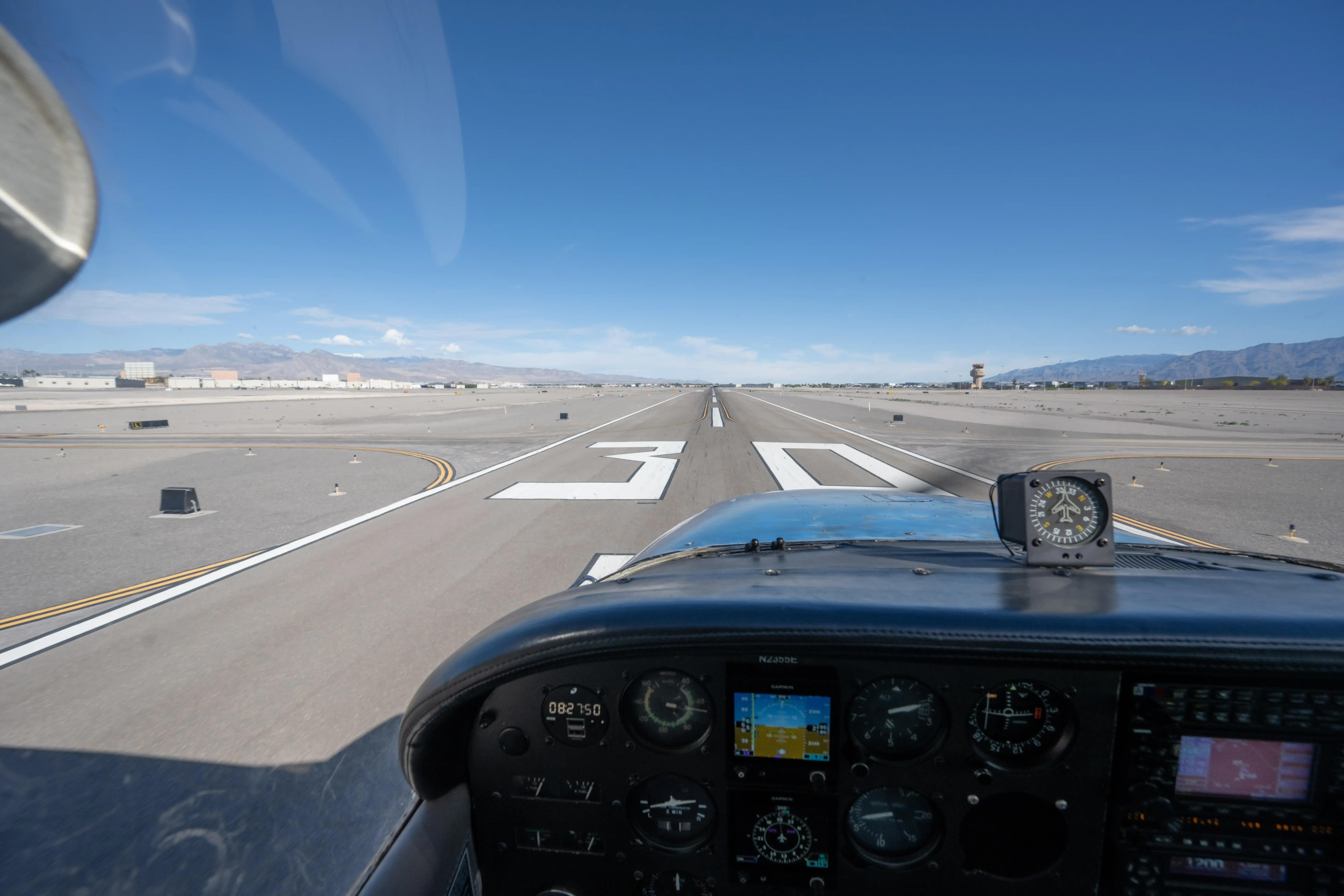
While not a physical part of the plane, density altitude is a critical “environmental component” of summer aircraft care. High temperatures result in thinner air, which directly impacts engine performance and lift.
- Performance Calculations
Always recalculate your takeoff and climb data based on the current temperature, as a 100-degree day can make the runway feel much shorter than it is. - Weight Management
Consider flying with a lighter fuel load or fewer passengers during the hottest parts of the day to maintain a safe margin of performance.
Expert Maintenance at Vegas Aviation
If you need professional assistance getting your aircraft ready for the Southern Nevada summer, our team is here to help. From our in-house maintenance shop to our modern rental fleet, we ensure every flight is backed by meticulous care.
Stop by our office at 2634 Airport Drive #103 in North Las Vegas or give us a call to learn more about our services.
Ready to fly?
Call us at (888) 2Fly-Vegas to schedule your next maintenance check or book a Discovery Flight.