
Lydia T.
Part 61 Flight School in Las Vegas: Flexible Training
In This Article
If you are comparing a Part 61 flight school in Las Vegas, you are probably trying to answer something along the lines of “can pilot training fit my schedule, or do I need to pause work, school, family, or military commitments to make it happen?”
The short answer is that Part 61 training can give you more room to shape the pace of training around your life while keeping FAA requirements in place. Students and instructors use that flexibility to build a serious training plan around real schedules, goals, and proficiency.
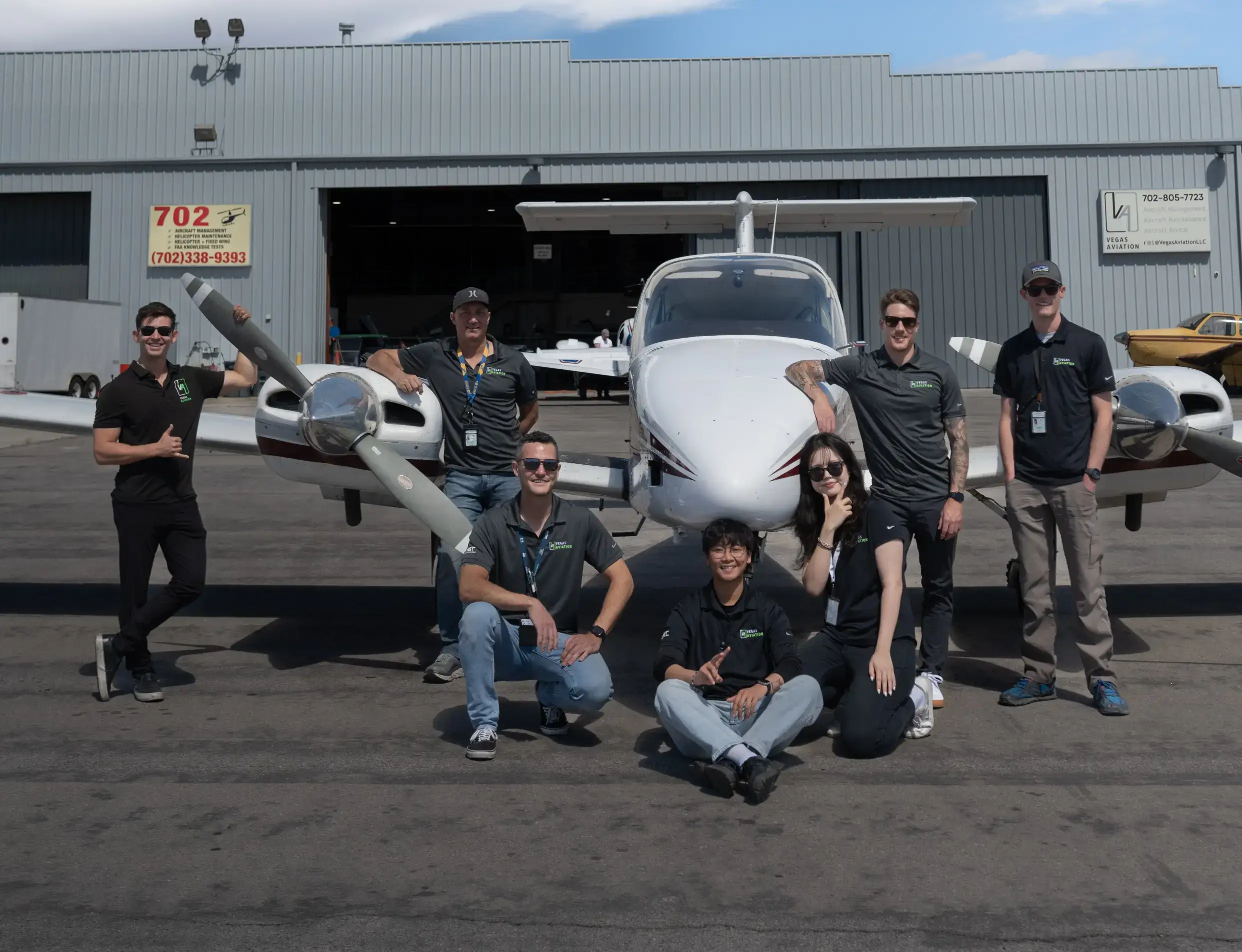
Vegas Aviation is a Part 61 flight school at North Las Vegas Airport/KVGT. We help students compare flight training programs in Las Vegas, plan a realistic schedule, and choose the first step that fits their goals.
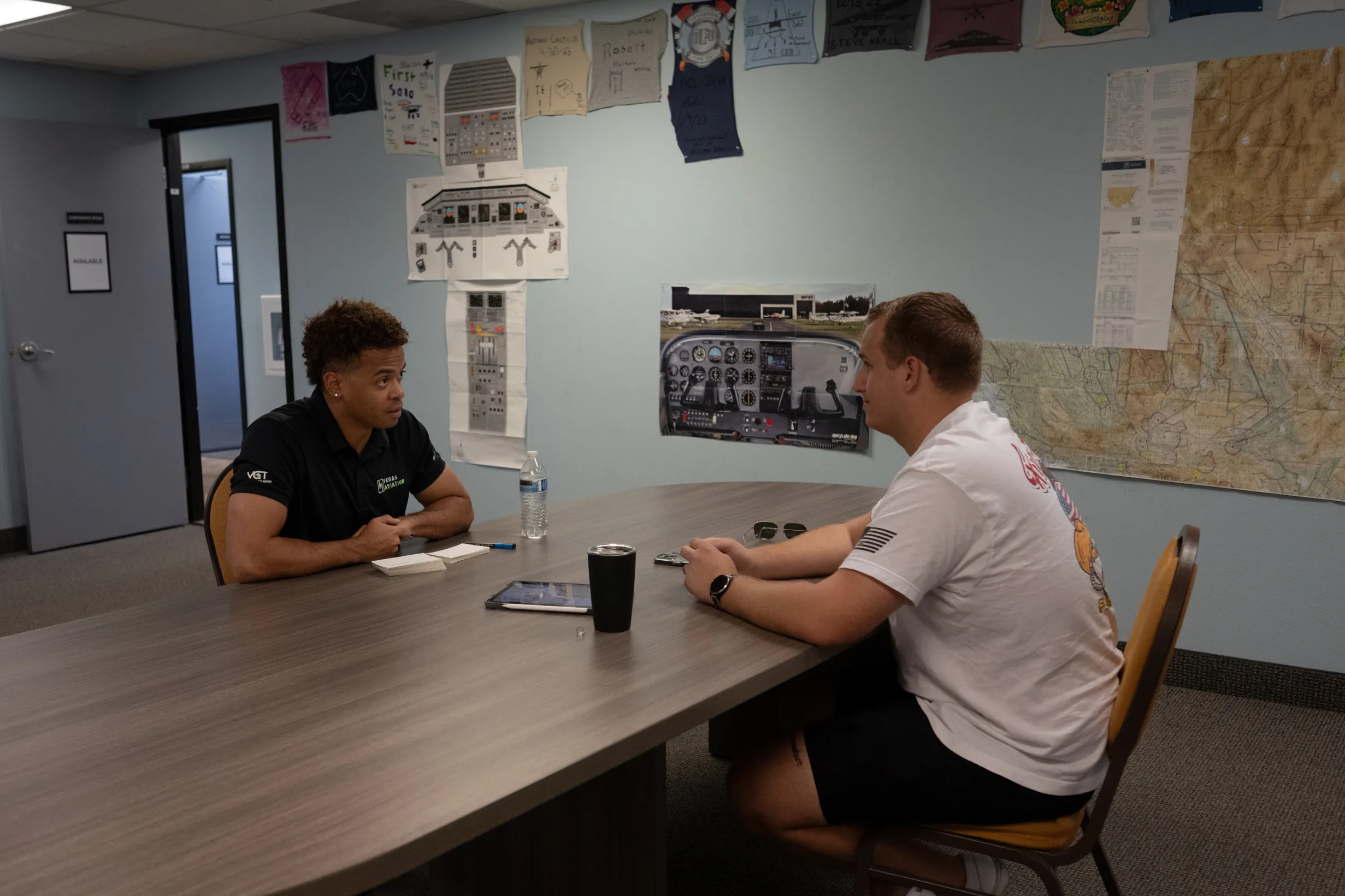
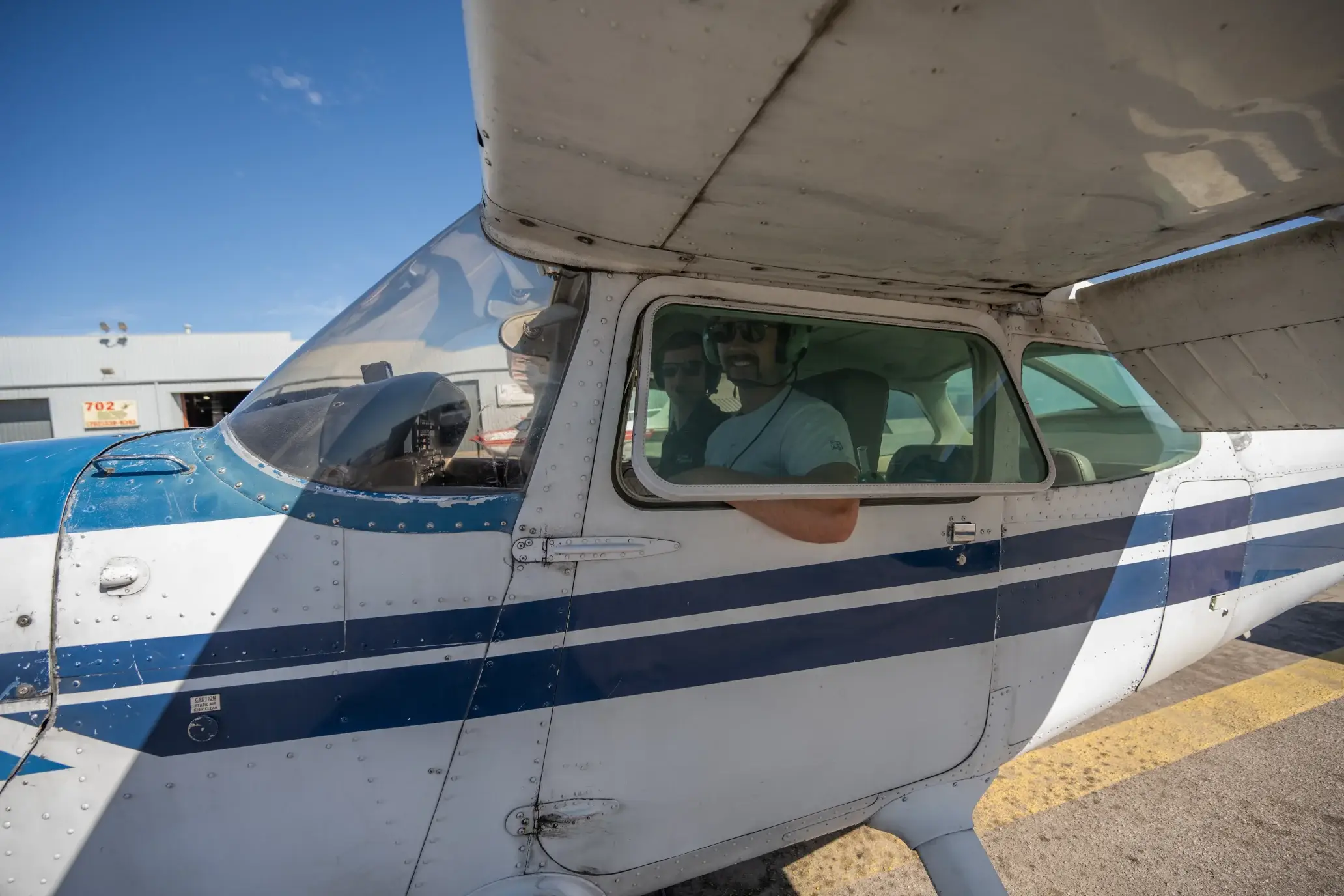
Part 61 training gives students and instructors room to build a plan around goals, schedule, and proficiency.
Part 61 Flexibility Still Has Real FAA Standards
Part 61 is the section of FAA rules that governs pilot, flight instructor, and ground instructor certification. For a student, the important part is that your training still has to meet the requirements for the certificate or rating you want, while your lesson structure can be more adaptable than a fixed academic calendar.
That flexibility can help if you are training before work, after class, between shifts, or while returning to aviation after time away. Your instructor can adjust the plan around your current experience, study habits, weather delays, and how quickly you show proficiency.
At Vegas Aviation, that flexible structure supports students who start with a discovery flight in Las Vegas, students beginning Private Pilot Certificate training, and pilots continuing into advanced ratings through our flight training programs.
This Path Works Well When Flexibility Has a Plan
Flexible pilot training works well with a clear plan. The students who keep momentum usually treat scheduling as part of training, alongside study habits, ground instruction, and lesson preparation.
A Part 61 training plan can fit several student situations:
- A beginner who wants to take the controls on a discovery flight before enrolling
- A working adult who needs consistent lessons outside a traditional school schedule
- A college or military student balancing aviation with other commitments
- A returning student who already has flight time and needs a custom restart plan
- A certificated pilot planning an instrument rating, commercial pilot certificate, CFI training, or multi-engine rating
The tradeoff is responsibility. If your schedule has long gaps, you may spend more time rebuilding skills from the last lesson. If you study between flights and schedule consistently, your flight time is more likely to build on itself.
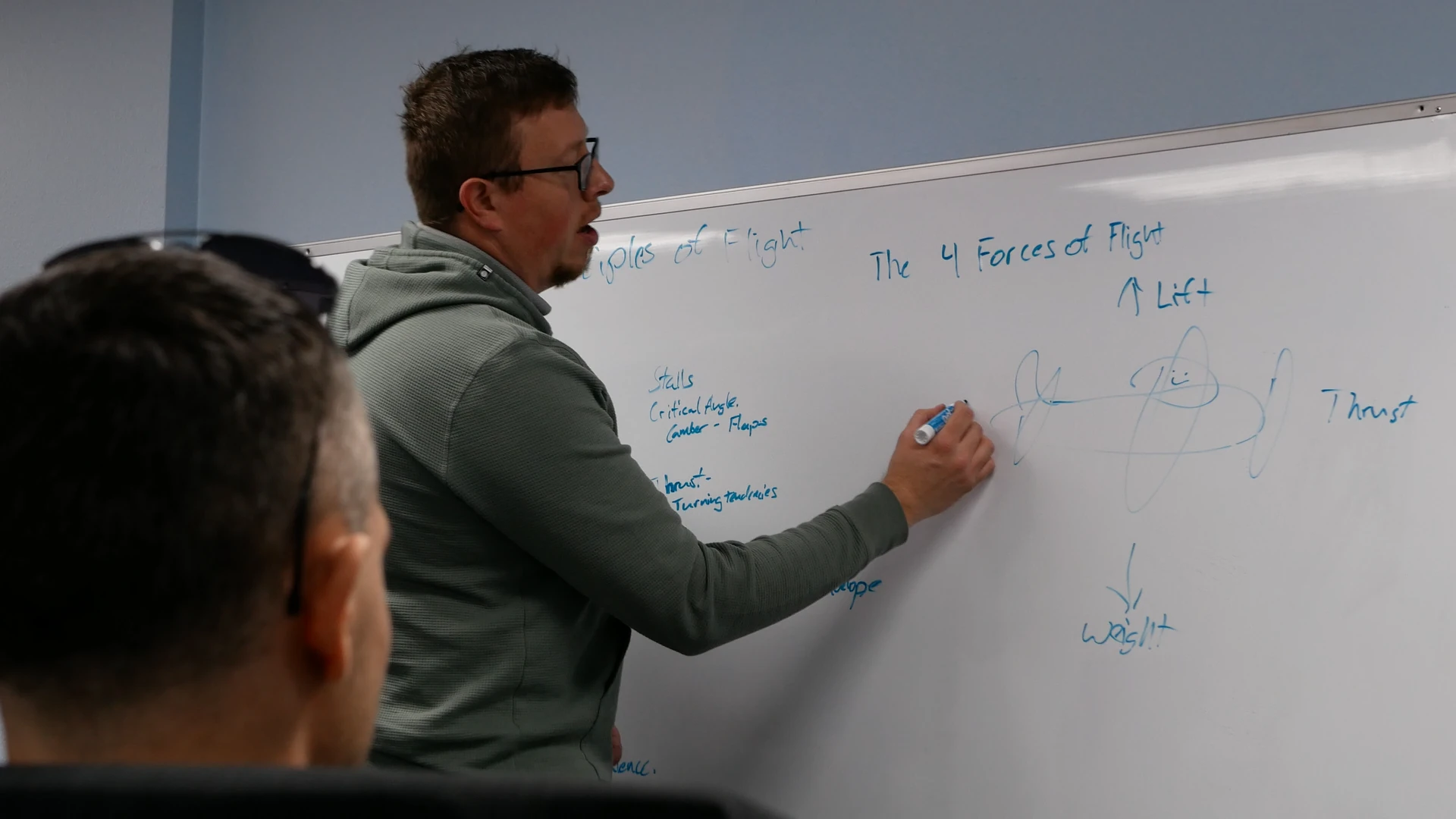
Ground instruction, home study, and lesson frequency all affect how well flexible training turns into steady progress.
Your Training Path Can Grow Beyond the First Certificate
Most new students start with the private pilot path because it is the foundation for personal flying and later ratings. From there, your next step depends on what you want aviation to become in your life: recreation, travel, proficiency, instruction, or a career path.
Here is how the flexible Part 61 structure can support different goals:
| Goal | Training path to compare | What it helps you plan |
|---|---|---|
| Learn to fly for personal use | Private Pilot Certificate | The first full certificate for most new students |
| Fly with more precision and weather knowledge | Instrument Rating | Better cockpit workload, procedures, and IFR decision-making |
| Build advanced pilot qualifications | Commercial Pilot Certificate | More advanced maneuvers, planning, and professional standards |
| Teach and build instructional skill | CFI / CFII Training | Lesson planning, teaching technique, and instructor preparation |
| Add twin-engine experience | Multi-Engine Training | Systems, performance, and multi-engine decision-making |
| Strengthen procedures on the ground | Flight Simulation | Focused practice for procedures, scan, and scenario work |
You can save future rating decisions for later. A better first move is to compare the flight training hub, talk through your goal, and build the next practical step.
Cost Planning Starts Before the First Full Lesson
Part 61 training costs vary because students finish with different hour totals and training rhythms. A budget should include more than aircraft time. It should account for instructor time, ground instruction, simulator use when appropriate, supplies, knowledge tests, checkride expenses, and any extra training needed to reach proficiency.
Lesson frequency affects cost in a practical way. Long gaps can mean more review. A steady schedule can help skills stay fresh between lessons. Weather, maintenance, aircraft availability, instructor availability, and checkride timing can also affect the total.
Before you enroll, review our flight training pricing, then use the conversation with our team to separate the major cost pieces. Students who want payment support can also review flight training financing resources and scholarship resources. Financing terms, eligibility, and scholarship availability depend on the provider and program, so treat those resources as planning tools rather than guarantees.
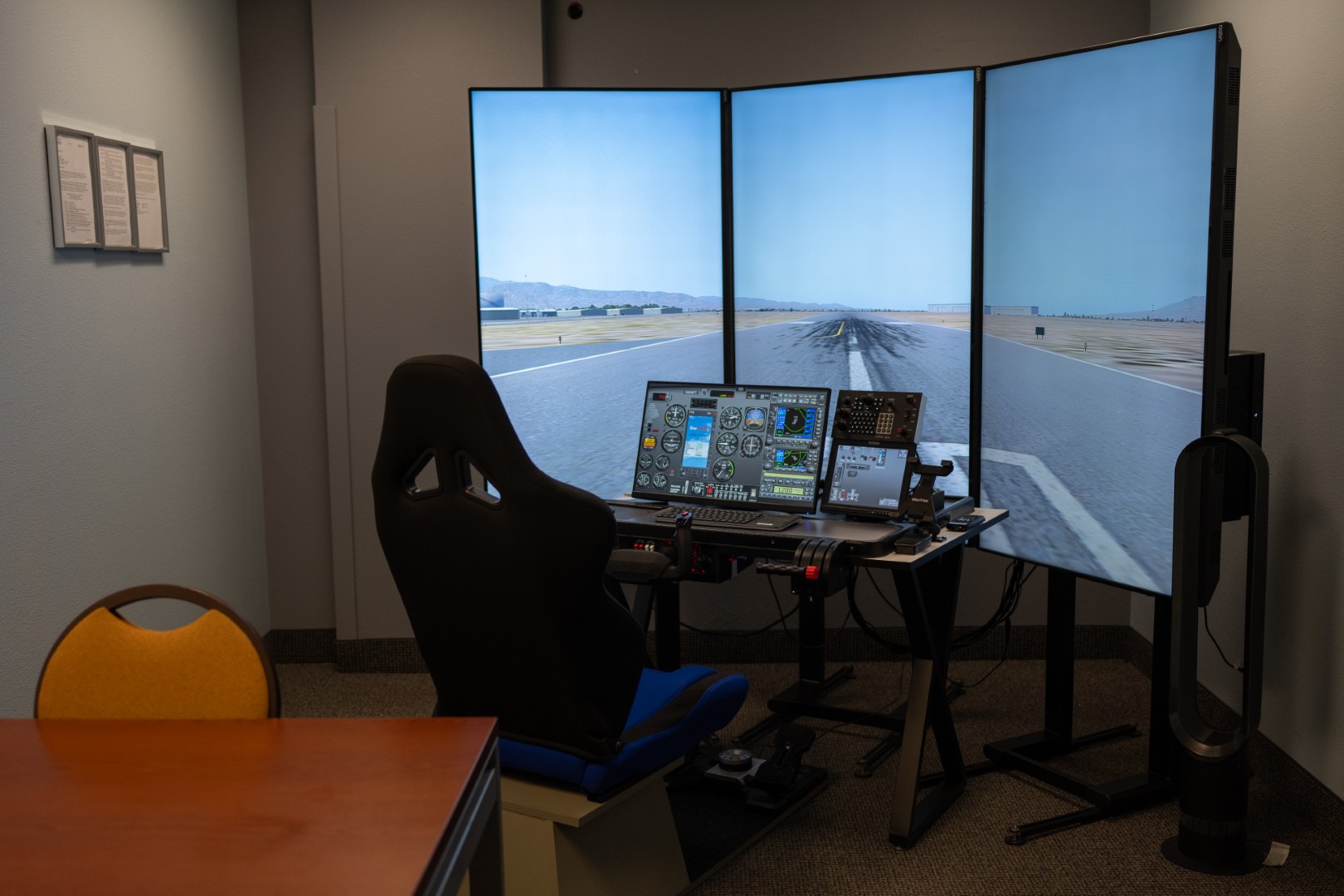
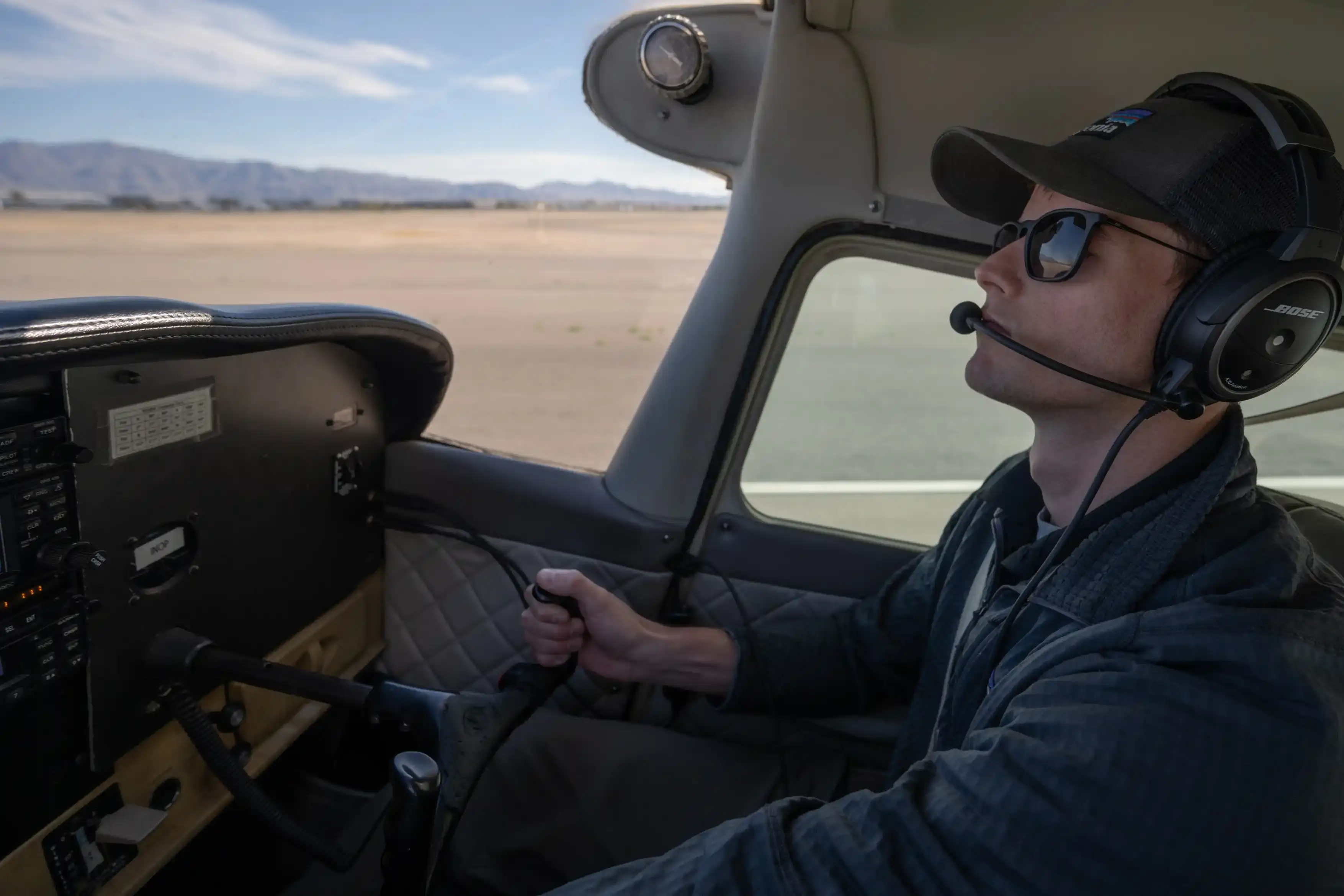
Simulator-supported practice can be part of a broader training plan when it fits the lesson objective.
Part 61 and University-Style Training Solve Different Problems
Some students want a degree-based aviation program with a fixed academic calendar. Others want local pilot training that can fit around work, school, family, or an existing career. The stronger fit depends on your goals, schedule, funding, learning style, and training support.
Part 61 may fit when you want:
- Flexible lesson scheduling and pacing
- A direct route into a specific certificate or rating
- A training plan that can adapt as your proficiency develops
- A path that can continue from private pilot through advanced ratings
If you also want academic credit or a college pathway, we can help you review our education resources and think through how flight training fits into the larger plan.
Start With the Step That Matches Your Confidence Level
Your first move depends on how ready you feel.
If you are curious and still weighing enrollment, start with a discovery flight in Las Vegas. You will meet the school, experience the cockpit, and get a better feel for whether pilot training is something you want to pursue.
If you already know you want to begin, compare the flight training programs, review training pricing, and submit the enrollment form. We can help you turn your goal into a training schedule, budget, and next lesson plan.
Part 61 Flight Training Questions
Is Part 61 flight training easier than Part 141?
No. Part 61 can be more flexible in structure, but you still need to meet the FAA requirements for your certificate or rating. The right fit depends on your schedule, goals, funding, learning style, and the training support available. Start by comparing our flight training programs.
Can I start Part 61 training with no experience?
Yes. Many students start with no flight time. If you want a low-pressure first step, book a discovery flight. If you are ready for the first full certificate, review Private Pilot Certificate training.
How often should I schedule lessons?
The right frequency depends on your schedule, budget, and retention between flights. In general, consistent lessons and steady study between flights help protect momentum. Our team can help you build a realistic plan through the enrollment process.
Does flexible training mean I can pause whenever I want?
You can train at a pace that fits your life. Long gaps can still slow progress because skills fade between lessons. If you expect schedule interruptions, talk with us early so your training plan includes review, ground study, or simulator-supported practice when appropriate.
How much does Part 61 flight training cost?
Costs vary by certificate or rating, lesson frequency, proficiency, aircraft and instructor time, ground instruction, tests, and checkride expenses. Review current flight training pricing, then explore financing or scholarship resources if you want support planning the budget.
What is the usual first certificate to earn?
For most new students, the Private Pilot Certificate is the first full certificate. After that, you can compare instrument, commercial, CFI, multi-engine, and simulator-supported training based on your goals.
Build Your Training Plan at Vegas Aviation
Part 61 training gives you room to build a flight training plan around real life. The outcome still depends on consistency, preparation, and honest planning.
Start with one primary next step: compare our flight training programs and choose the path that matches where you are now. If you are ready to talk through schedule, cost, and next lessons, submit the enrollment form and our team will help you get moving.