
Tom T.
How to Become a Pilot in Nevada: 2026 Guide
In This Article
If you are trying to figure out how to become a pilot in Nevada, start by looking for a clear path from curiosity to the cockpit. Most new students arrive with questions about FAA terms, cost guesses, and training steps, and the right plan turns those questions into a sequence you can follow.
For new students, that path starts with an introductory flight or a conversation with a flight school, then moves into medical planning, a student pilot certificate before solo, ground study, flight lessons, solo preparation, and the private pilot practical test. At Vegas Aviation, we help Southern Nevada students start that path from North Las Vegas Airport/KVGT with a practical Part 61 flight training structure.
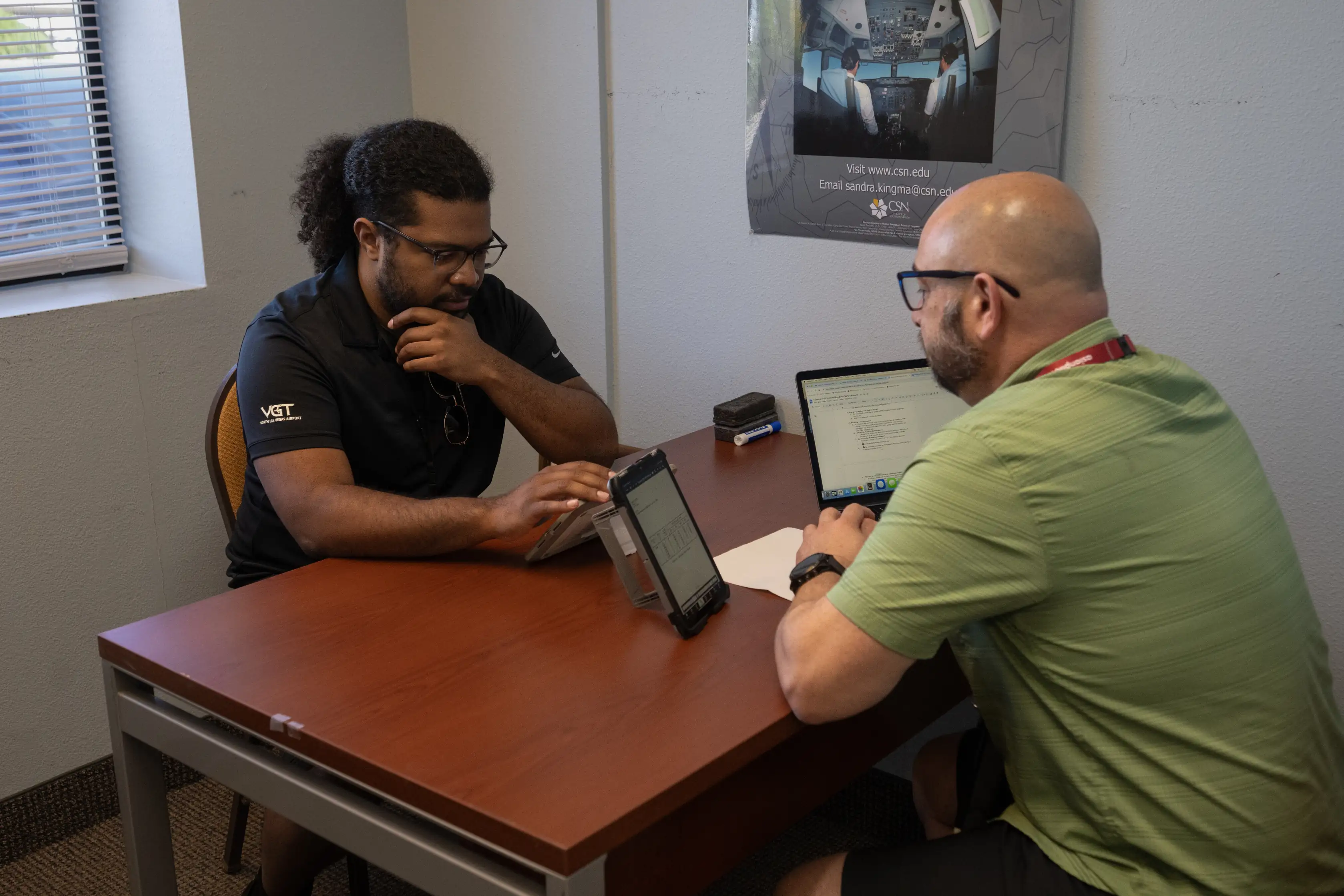
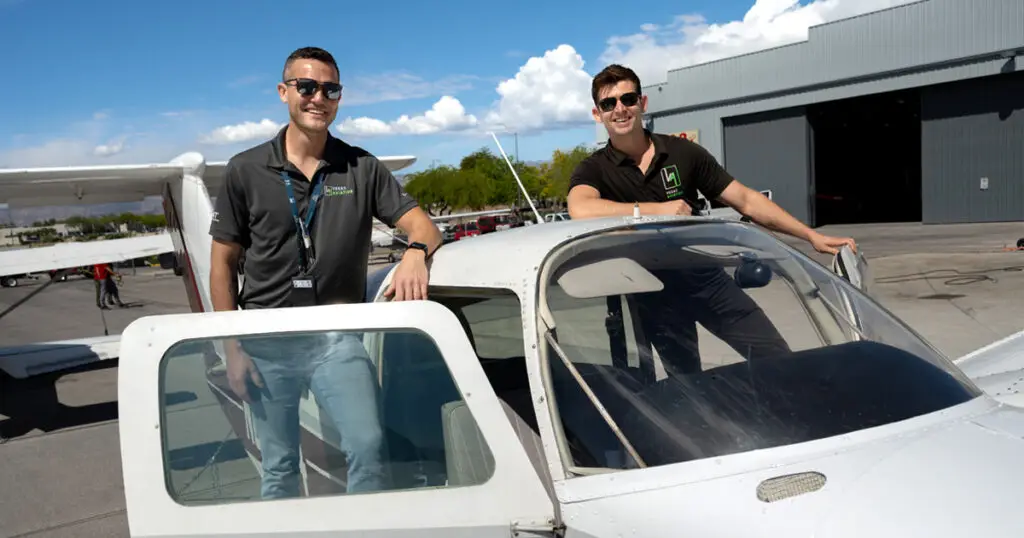
Becoming a pilot starts with clear ground guidance before the airplane ever leaves the ramp.
Start With the Right First Step, Not a Full Career Plan
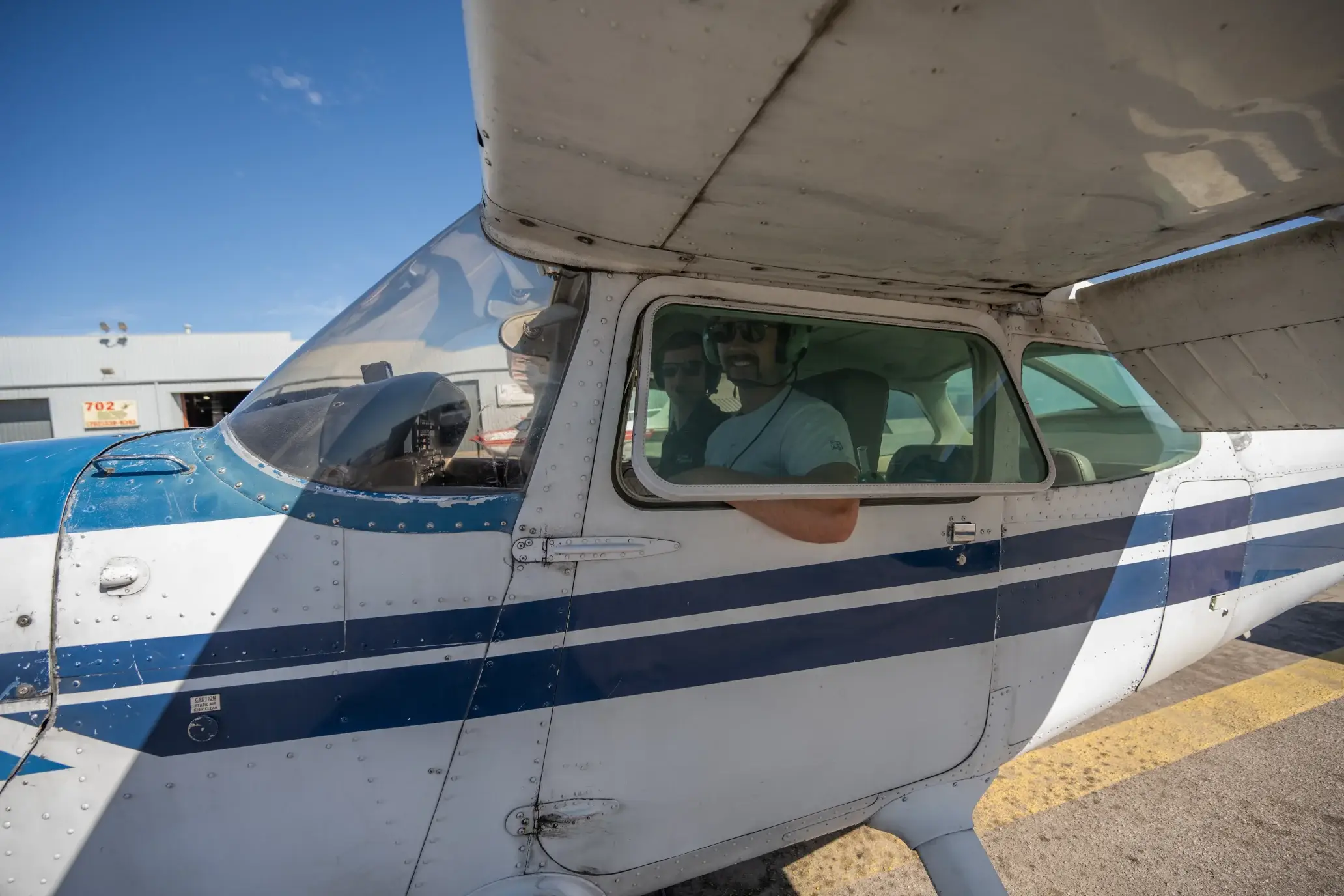
You can begin without previous flying experience. A future pilot in Nevada can start with a discovery flight in Las Vegas to meet an instructor, sit in the student pilot seat, and see what a real introductory lesson feels like.
That first flight is useful because it changes the question from “Can I imagine flying?” to “Can I see myself training consistently?” You get a feel for the aircraft, the school, the airport environment, and the kind of instruction you will need if you continue.
If you already know you want to train, you can move straight into comparing Las Vegas flight training programs and beginning enrollment. If you are still deciding, the discovery flight gives you a lower-pressure way to test the fit before building a full schedule and budget.
At Vegas Aviation, new students often use this first step to talk through goals such as personal flying, a future aviation career, college credit, aircraft rental, or advanced ratings. Day one works best when it gives you a next step and better questions.
Handle Medical Planning Before It Becomes a Delay
Students should address medical certification early because a medical certificate is needed before solo flight unless another FAA-recognized qualification applies. Handling it early helps protect the weeks when you are getting close to solo.
Talk with an Aviation Medical Examiner early if you have questions about eligibility, medications, prior conditions, or the type of medical certificate you may need. A flight school can help you understand where medical planning fits in the training timeline, and medical eligibility questions belong with an AME and FAA medical resources.
This matters because early lessons can begin before you have every document finished, while solo flight requires the right student pilot paperwork, instructor endorsements, and medical qualification for your situation. Planning early protects your momentum and your budget.
If you want a deeper explanation, read our guide to the FAA medical exam for flight training before you make expensive training assumptions.
Build the Private Pilot Path One Milestone at a Time
For most new students, the Private Pilot Certificate is the first full certificate. It is the foundation for personal flying and for later ratings such as instrument, commercial, CFI, and multi-engine training.
The private pilot path usually includes:
- Ground study for weather, regulations, aircraft systems, navigation, airspace, performance, and flight planning
- Flight lessons with an instructor covering aircraft control, takeoffs, landings, emergency procedures, radio work, and navigation
- Student pilot certificate and required endorsements before solo
- Solo and cross-country training once your instructor determines you are ready
- FAA knowledge test preparation and endorsement
- Practical test preparation for the oral and flight portions of the checkride
Under Part 61, airplane private pilot applicants must meet FAA eligibility, knowledge, proficiency, aeronautical experience, and practical-test requirements. The well-known 40-hour number is a regulatory minimum; many students need additional training to reach proficiency. Your actual flight time depends on lesson frequency, study habits, weather, aircraft availability, instructor availability, and checkride timing.
That is why we encourage students to review private pilot training and training pricing together. The certificate path and the budget have to support the same training rhythm.
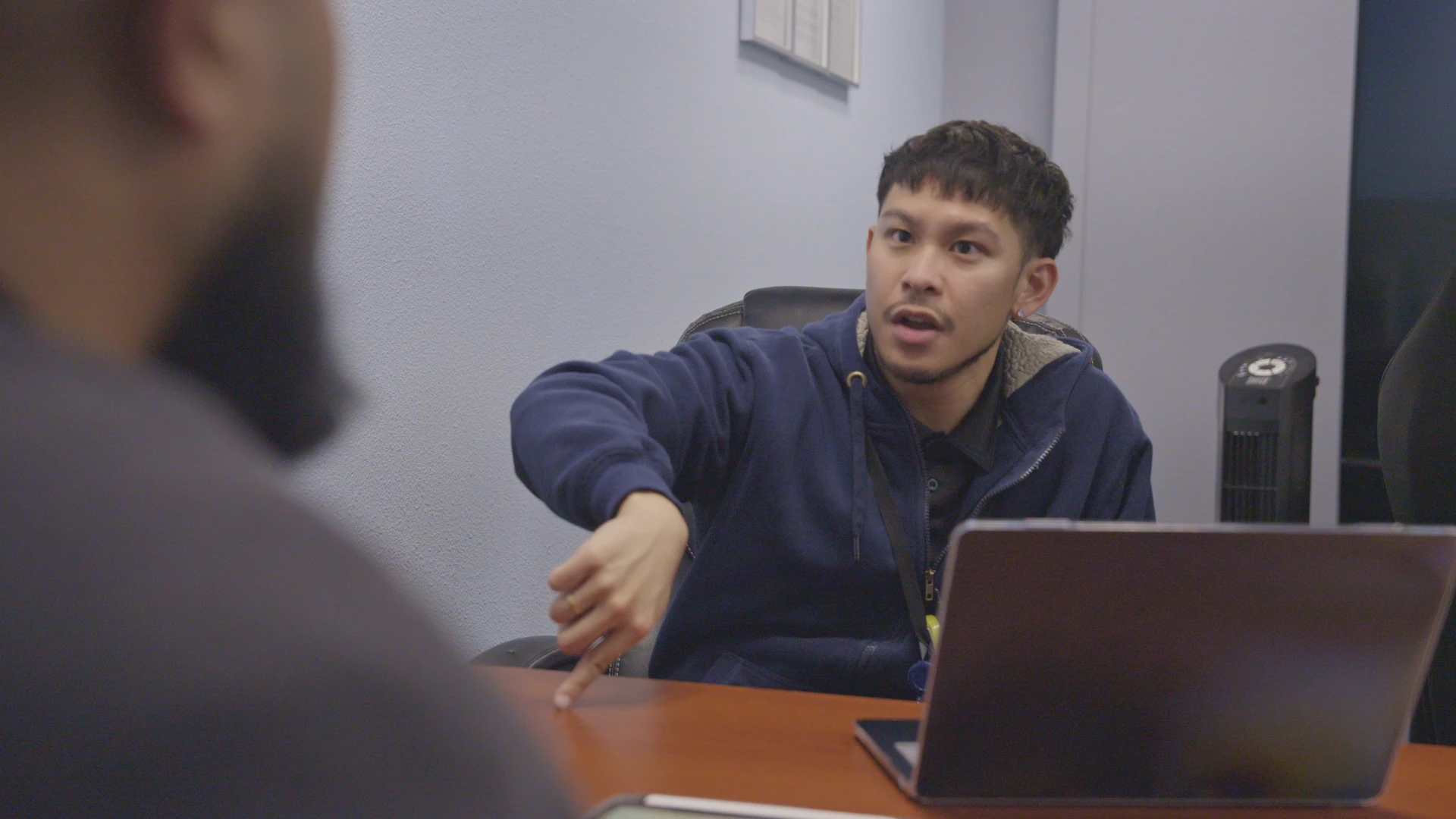
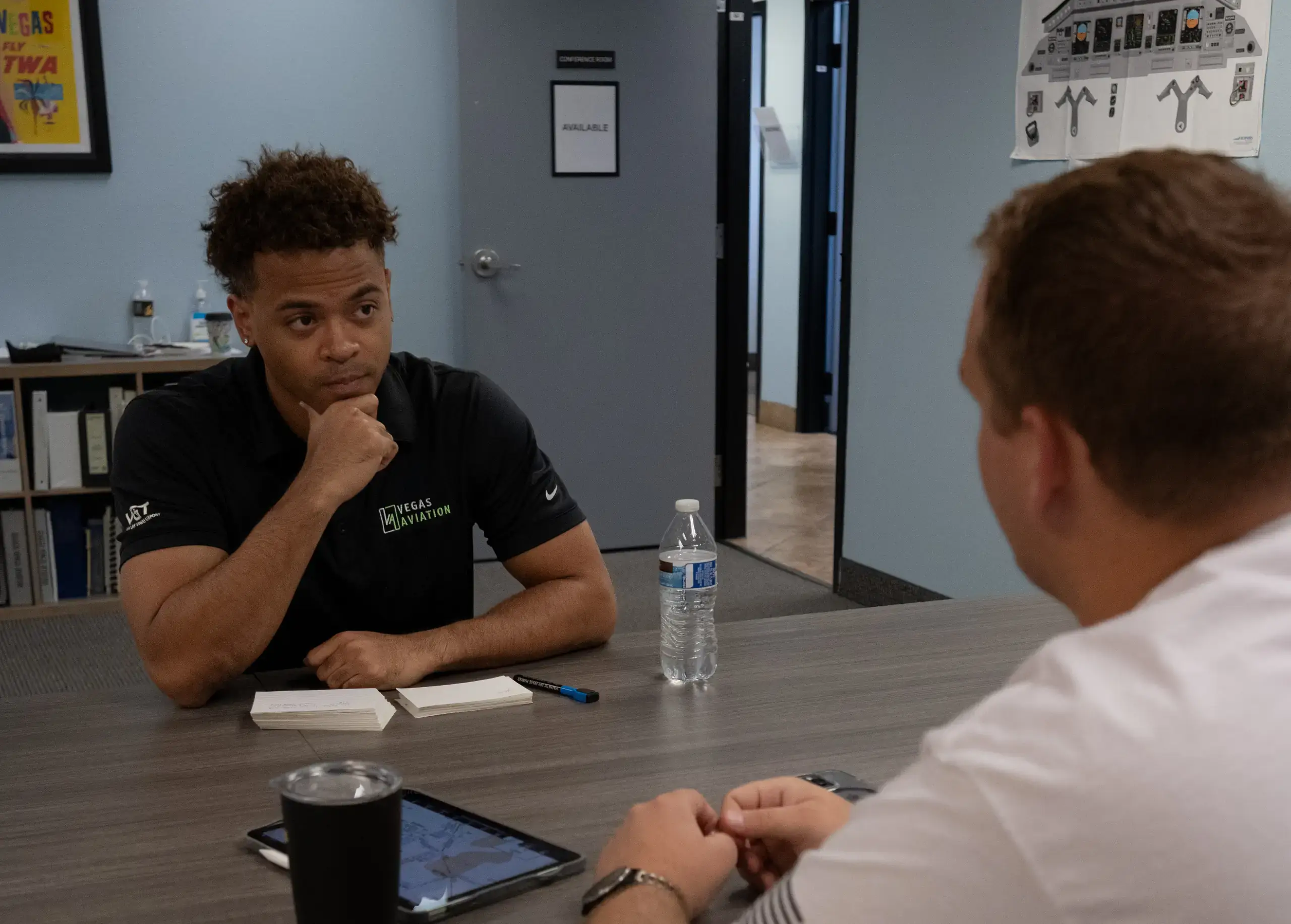
Ground instruction helps turn FAA requirements into lesson-by-lesson decisions a student can actually use.
Choose a Nevada Training Environment You Can Use Consistently
Flight training rewards consistency. A school may look good on paper, and your progress still depends on whether you can show up, study between lessons, schedule regularly, and keep skills fresh.
Vegas Aviation is based at North Las Vegas Airport/KVGT, serving students from the Southern Nevada area. For local students, that gives training a practical home base instead of turning every lesson into a major commute decision.
Because we operate as a Part 61 flight school, students can often build a training rhythm around work, school, family, military commitments, or a changing schedule. Flexible training still needs structure. Long gaps can force extra review, while consistent lessons and steady ground study help each flight build on the last.
If you are comparing schools, ask how the team handles lesson frequency, instructor fit, aircraft scheduling, ground instruction, simulator use, weather delays, and checkride preparation. Those details affect your progress more than a vague promise that training will be quick.
Understand the Training Path Beyond Private Pilot
You can save future rating decisions for later while still choosing a flight school that can support the path if your goals grow.
At Vegas Aviation, students can compare several training options from the beginning:
| Goal | Program to compare | How it supports your next step |
|---|---|---|
| Learn to fly for personal use | Private Pilot Certificate | Builds the foundation for recreational flying and later ratings |
| Fly with more precision and IFR knowledge | Instrument Rating | Adds instrument procedures, cockpit workload skills, and weather decision-making |
| Train toward professional pilot privileges | Commercial Pilot Certificate | Builds advanced aircraft control and professional standards |
| Teach and build instructional skill | CFI / CFII Training | Prepares qualified pilots to teach within instructor privileges and limitations |
| Add twin-engine aircraft experience | Multi-Engine Training | Develops systems, performance, and multi-engine decision-making |
| Practice procedures on the ground | Flight Simulation | Supports focused practice when simulator training fits the lesson objective |
If your long-term goal is a professional pilot path, treat that sequence as a planning map. Many career-minded pilots continue from private pilot into instrument, commercial, instructor training, multi-engine work, hour building, and later ATP eligibility conversations. Airline eligibility and airline hiring are separate milestones with requirements beyond the first certificate.
Our role at this stage is to help you understand the next certificate or rating clearly enough to make a good training decision today.
Plan the Cost Before You Compare Hourly Rates
Flight training cost includes more than one hourly aircraft number. A realistic budget includes aircraft time, instructor time, ground instruction, simulator use when appropriate, books or course materials, FAA knowledge test fees, medical exam costs, checkride expenses, supplies, and extra training if you need more time to reach proficiency.
That is why the clearest budget matters more than the cheapest-looking rate. A useful estimate should explain what is included, what may be separate, and which assumptions can change.
Start with our flight training pricing resources, then compare flight training financing and scholarship resources if payment planning is part of your decision. Financing terms, approval, repayment timing, and scholarship availability depend on the provider and program, so use those resources as planning tools rather than guaranteed outcomes.
The cost conversation should also include your schedule. Students who fly consistently and prepare between lessons often protect momentum better than students who stretch training with long gaps. The right budget supports both starting and staying consistent long enough to finish.
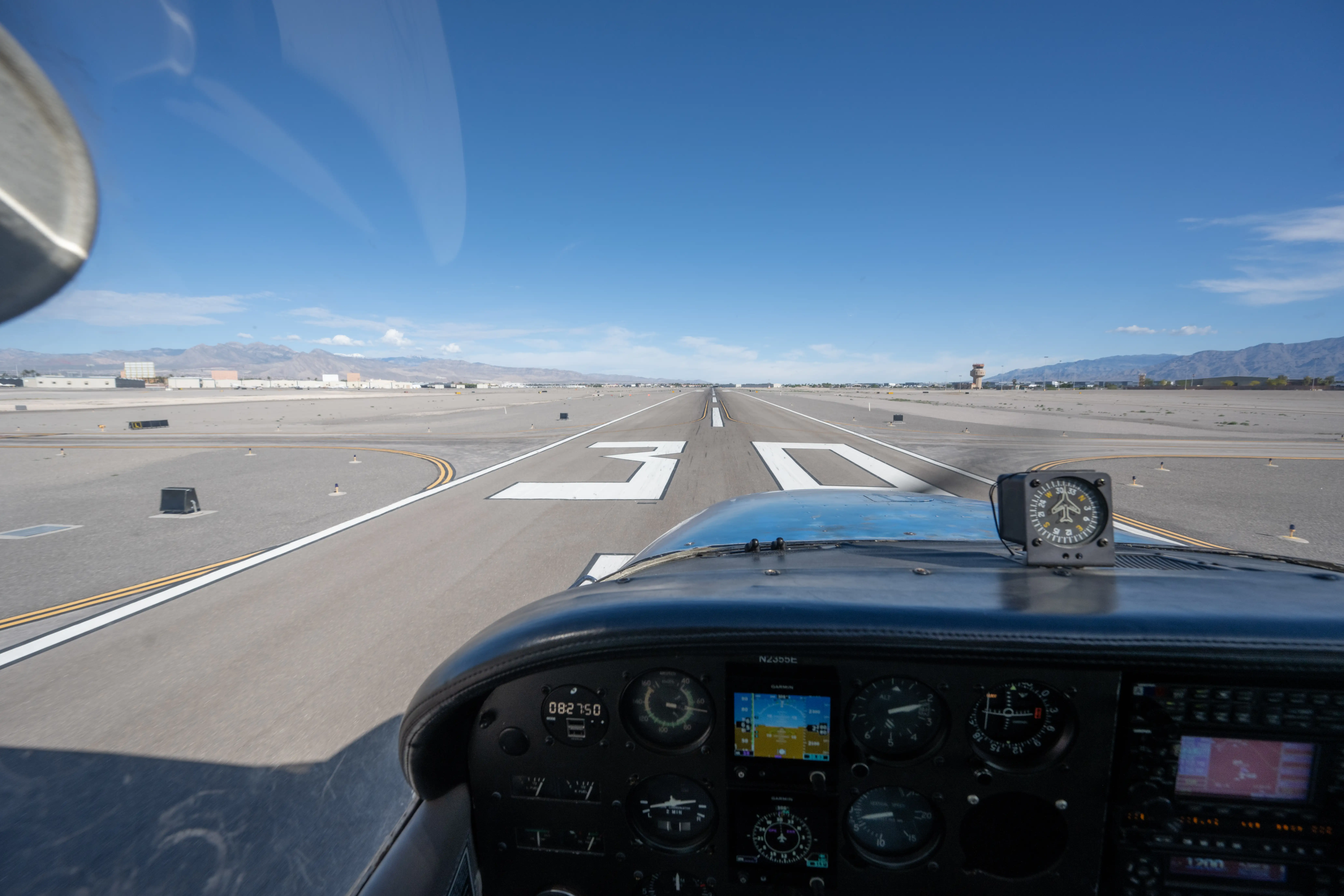
A realistic training budget should support the lesson rhythm you can keep beyond the first few flights.
Prepare for Solo, the Knowledge Test, and the Checkride
As training progresses, your instructor will help you move from basic aircraft control into solo readiness, cross-country planning, test preparation, and checkride standards.
Solo flight is a major milestone that comes after preparation. Before solo, you need the required student pilot documentation, medical qualification when required, aircraft-specific endorsements, and instructor confidence that you can operate safely within the limits of the endorsement.
The FAA knowledge test checks the academic side of flying. The practical test, commonly called the checkride, includes an oral portion and a flight portion. Your instructor recommends you for the practical test when you have met the prerequisites and are ready to be evaluated.
That final phase is where good habits matter. Checkride preparation goes beyond cramming facts. It is showing that you can plan, brief, fly, communicate, manage risk, and make sound decisions when the examiner asks why you chose a course of action.
If the checkride is already on your mind, read our private pilot checkride prep guide and bring your questions into your next training conversation.
How Long It Takes Depends on Your Training Rhythm
There is no honest one-size-fits-all timeline for becoming a pilot. Some students can train multiple times per week. Others move more slowly because of work, school, family, weather, budget, or travel.
The biggest timeline drivers are usually:
- Lesson frequency: long gaps can create review time
- Study habits: prepared students often use aircraft time more efficiently
- Weather and maintenance: aviation schedules must respect safety and aircraft readiness
- Instructor and aircraft availability: consistency requires calendar alignment
- Checkride timing: examiner availability can affect the final stage
- Proficiency: you finish when your flying meets the standard
A flexible Part 61 structure can help you train around real life. Flexibility works best when you still protect a steady rhythm. If you need a custom schedule, start by comparing our flight training programs and then use the enrollment form to talk through a realistic plan.
Nevada Pilot Training Questions
What is the first step to becoming a pilot in Nevada?
If you are brand new, start with a discovery flight or a conversation with the school. If you already know you want to train, compare private pilot training and begin enrollment.
Do I need a student pilot certificate before my first lesson?
No. You do not need a student pilot certificate just to take flying lessons. You will need one before solo flight, along with the required endorsements and medical qualification for your situation.
What certificate should a new airplane student earn first?
Most new students start with the Private Pilot Certificate. It is the foundation for personal flying and later ratings such as instrument, commercial, CFI, and multi-engine.
How much does it cost to become a pilot in Nevada?
Cost depends on the certificate, aircraft and instructor time, lesson frequency, ground instruction, supplies, tests, checkride expenses, and how much training you need to reach proficiency. Start with our pricing page, then review financing and scholarships if you need budget support.
Can I train around work or school?
Yes, many students train around work, school, family, or military commitments. The more consistent you can be with lessons and study, the easier it is to protect momentum. Our Part 61 training structure can support flexible planning.
Is becoming a pilot the same as becoming an airline pilot?
No. Earning a private pilot certificate is an early milestone. Airline-track students usually continue through additional ratings, commercial pilot training, instructor or other hour-building paths, and later ATP eligibility. Start by understanding the full flight training path before treating career goals as a fixed timeline.
Take the First Step at Vegas Aviation
Becoming a pilot in Nevada is easier to understand when you stop trying to solve the whole future at once. Start with the next decision: experience the cockpit, compare the private pilot path, understand the medical and cost pieces, and build a training rhythm you can actually sustain.
Your primary next step is to compare our Las Vegas flight training programs. From there, our team can help you decide whether to book a discovery flight, review pricing, or begin enrollment with a clearer plan.