
Lydia T.
What Is a Discovery Flight? What to Expect Before You Book
In This Article
You like the idea of flying, but the first visit comes with questions. What happens when you put on the headset? Will you touch the controls? Are you supposed to know anything already? A discovery flight is an introductory flying lesson with an instructor, designed to give you a first experience in the student seat before you decide about further training.
At Vegas Aviation, our discovery flights from North Las Vegas Airport include a briefing, supervised flight, and time for questions afterward. No flying experience is required. You can take the controls when your instructor determines that conditions allow, with guidance throughout the experience.
Meet your instructor before the airplane starts moving
Your first step is a conversation. Tell your instructor what brought you in: a long-standing interest, a possible career change, a gift, or simple curiosity. You can also say what feels unfamiliar or makes you nervous. That gives the briefing a useful starting point.
Our introductory flight experience begins with the plan for the flight, basic controls, and safety expectations. You do not need to arrive knowing how a radio call works or what each instrument does. Listen, ask questions, and let the instructor introduce the tasks in context.
Use the briefing to make the cockpit less mysterious. Before flying, ask about the headset, how to communicate with your instructor, and how the two of you will know who has the controls. Follow the instructor’s directions around the aircraft and during the flight.
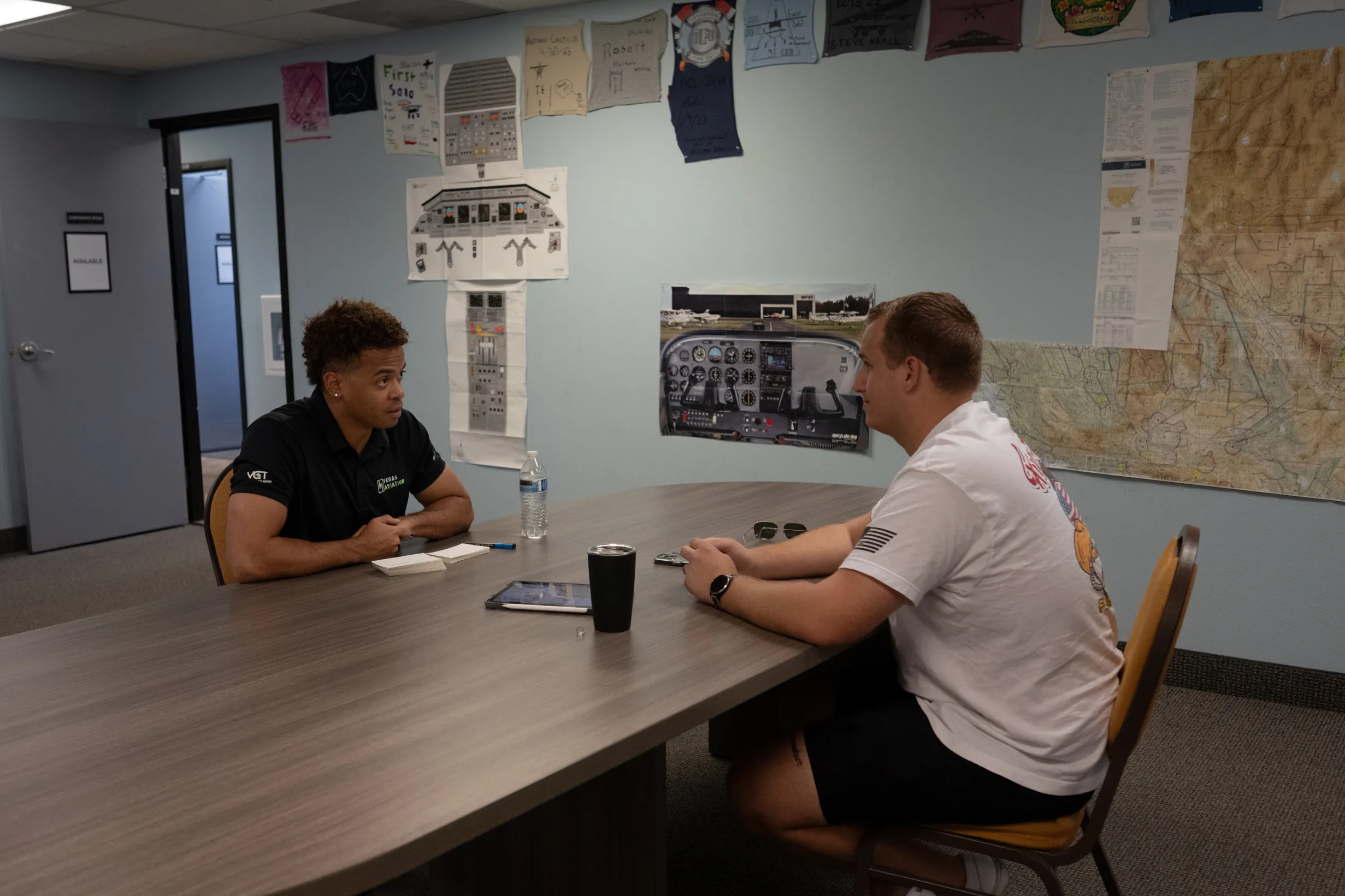
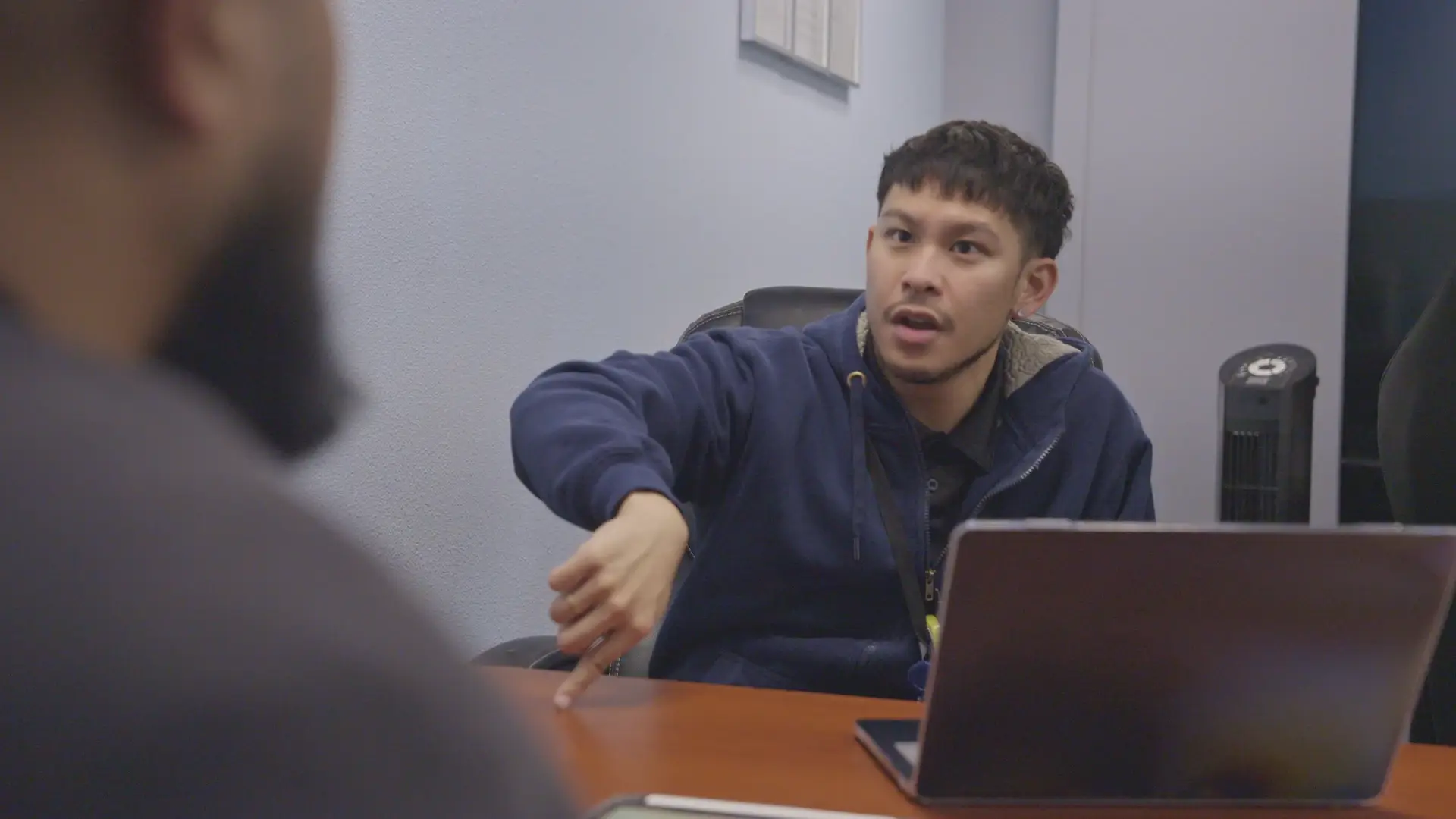
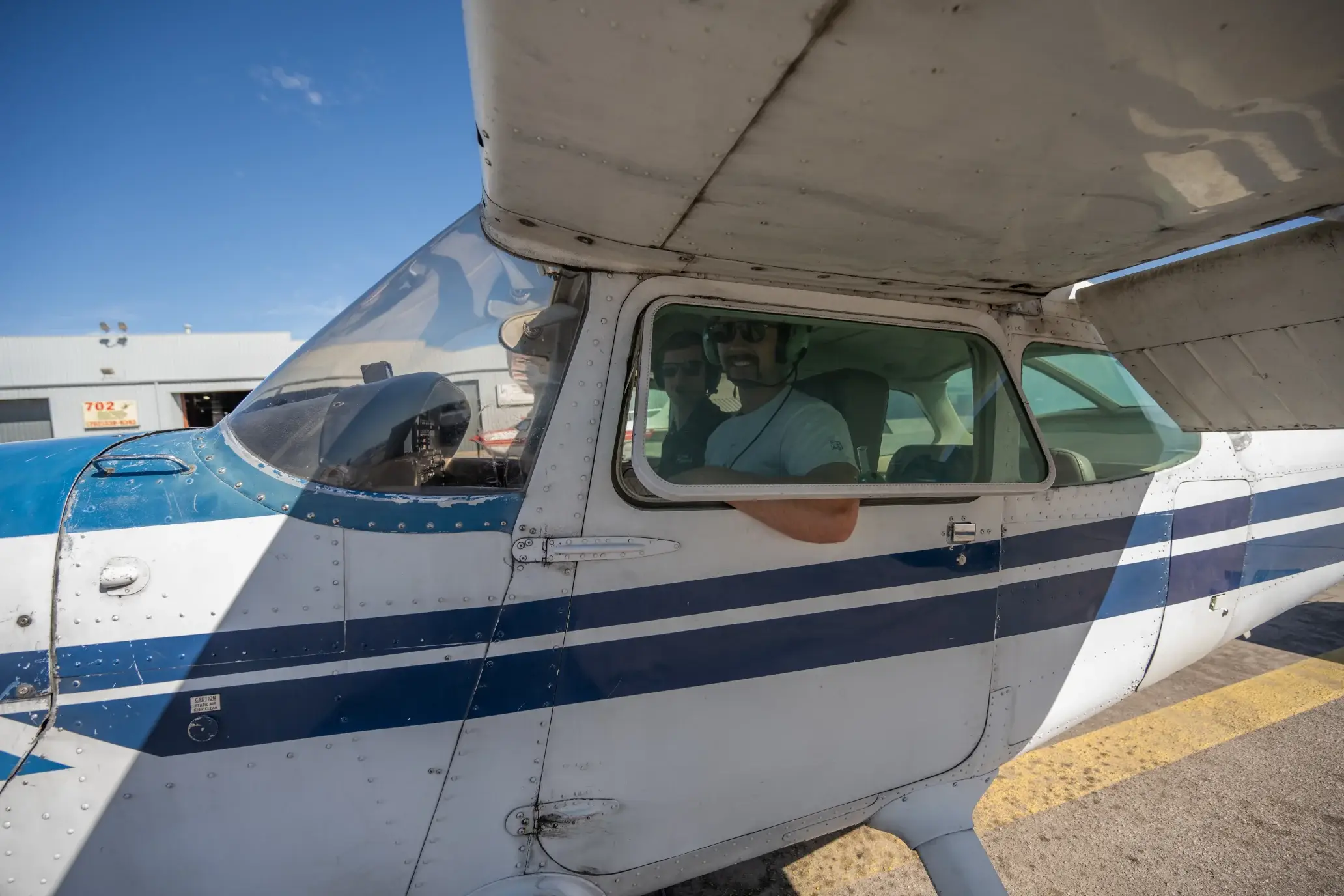
Your first flight begins with an explanation and time for questions.
Experience the controls with an instructor beside you
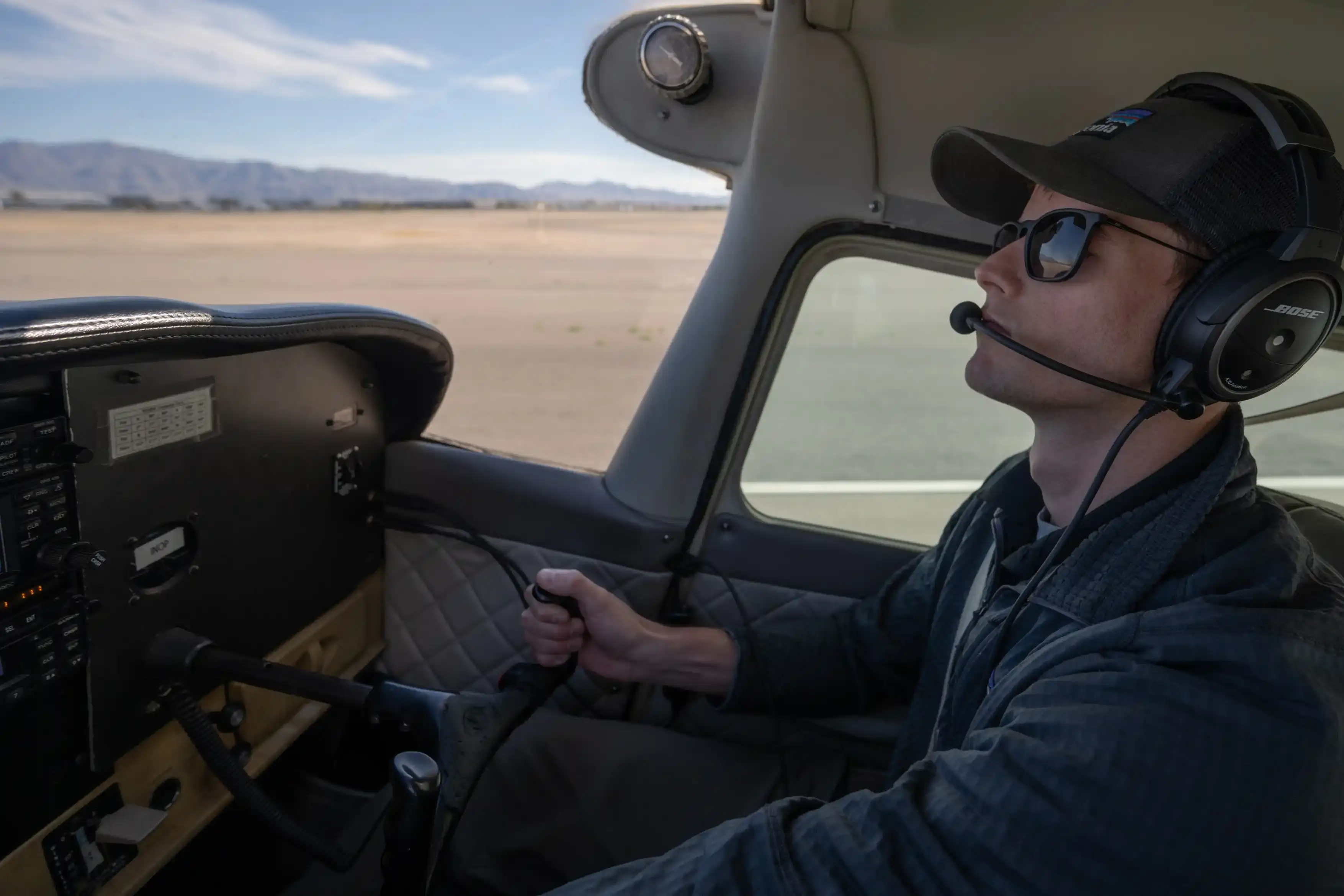
The sounds, view, and pace of a small-airplane cockpit can be new all at once. You are there to experience and learn, with an instructor guiding the flight. You can listen to the radios and begin connecting what you see outside with what happens inside the airplane.
During our discovery flight, hands-on participation follows the instructor’s direction and the conditions that day. You are not expected to perform a solo takeoff or landing. Taking part in a small piece of the flying can help you understand why learning to fly is such an engaging skill.
Tell your instructor promptly if you feel uncomfortable or need something explained. You do not need to hide nerves or pretend to understand an unfamiliar instruction. Being able to communicate openly is part of finding a learning environment that suits you.
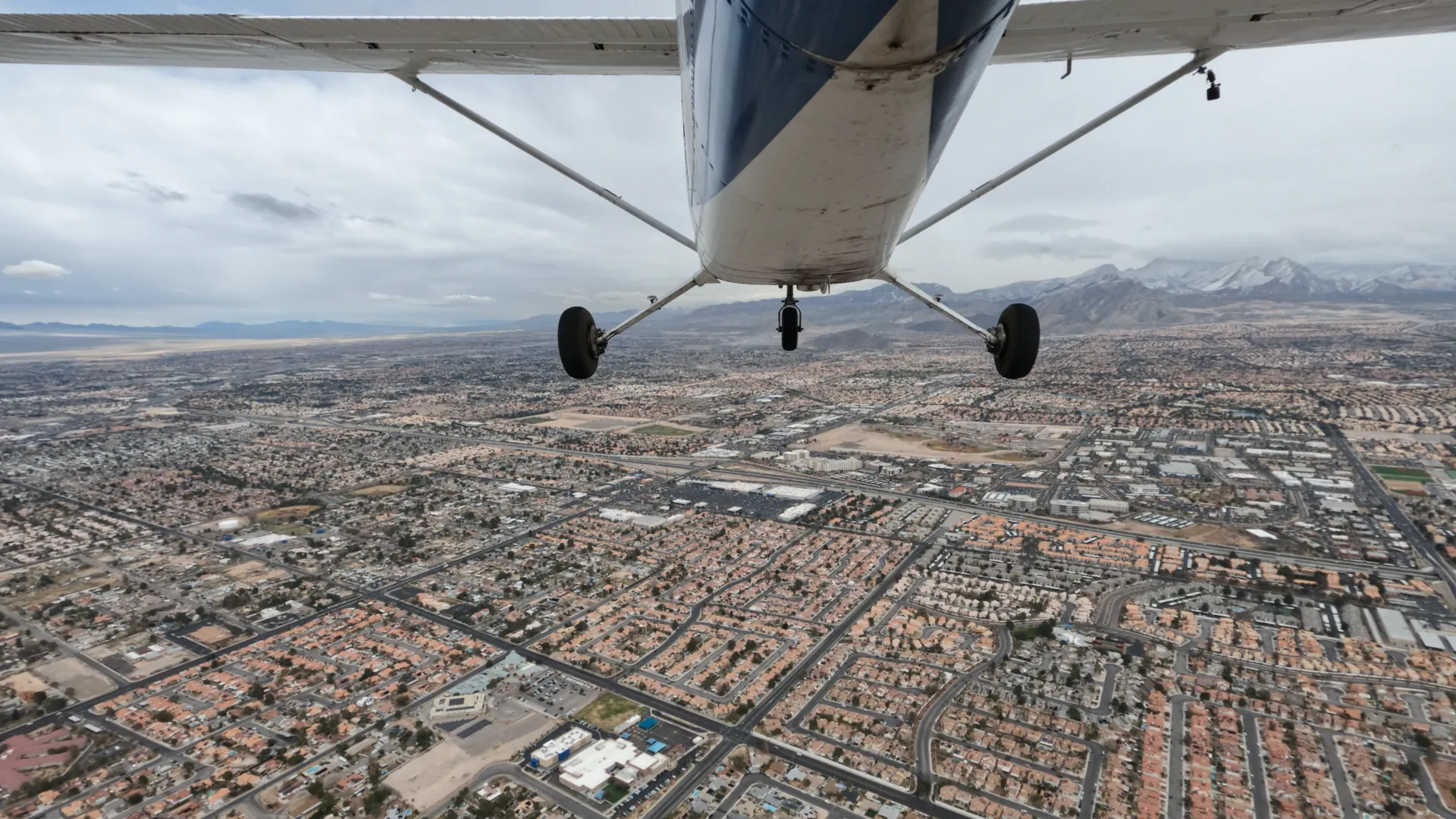
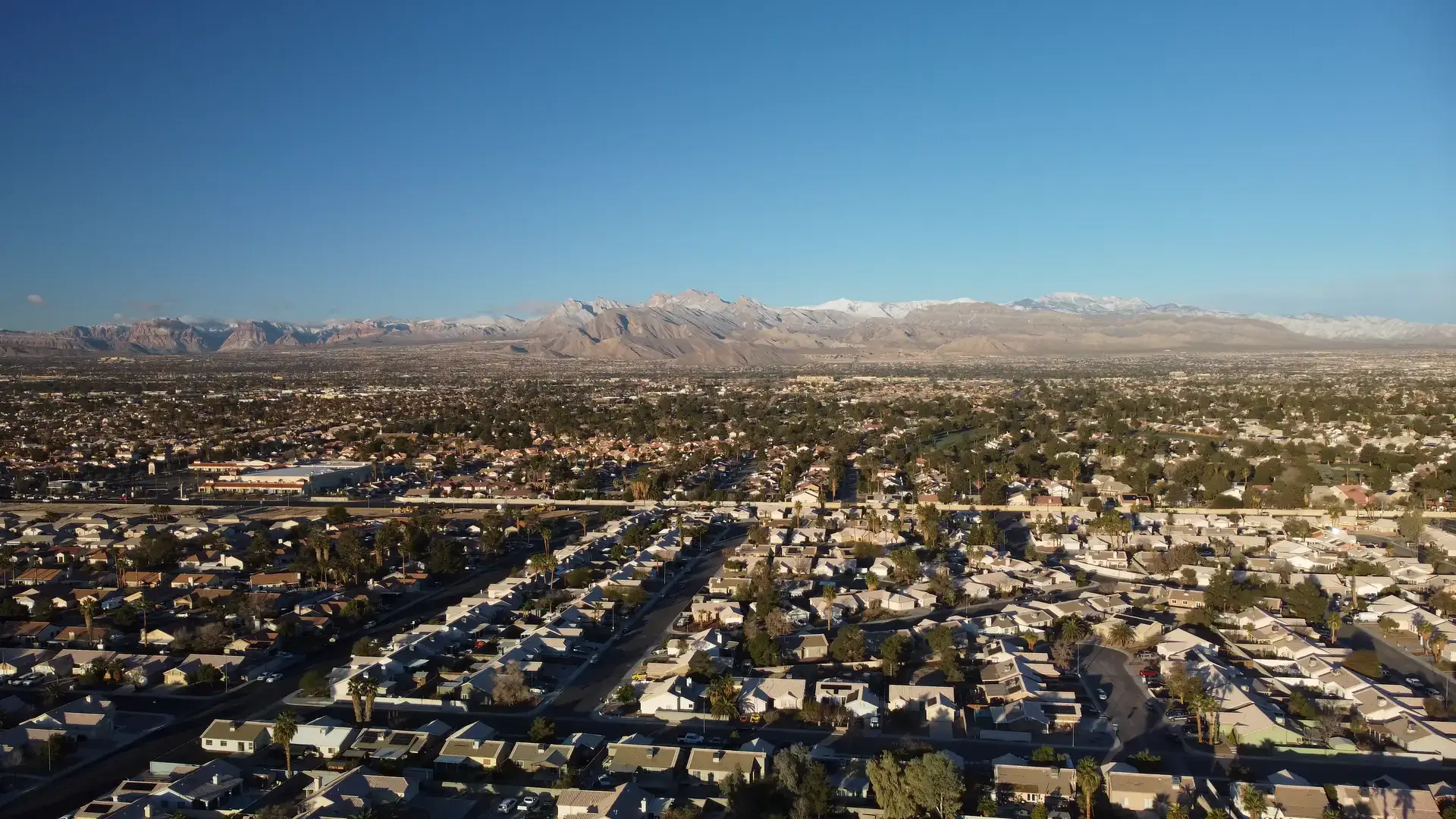
A flight gives you a new perspective on the Las Vegas area; the day's route follows operating conditions.
Settle the practical details before booking your day
Bring a government-issued photo ID and wear comfortable, weather-appropriate clothing. Those are the starting preparation items for our discovery-flight appointment. Let us know in advance about fit, mobility, or other access needs so we can discuss the experience before you arrive.
Confirm the whole appointment, including the time outside the airplane. Briefing and debriefing are part of an introductory lesson, so the appointment length and airborne time are different details. Allow space in your schedule for the complete experience rather than planning another commitment immediately around an assumed landing time.
Before settling your plans, have these booking details clear:
- Price and inclusions: the current discovery-flight price and what the appointment covers.
- Timing: arrival instructions, total appointment length, and expected airborne portion.
- Guests or younger participants: age requirements, permission requirements, and whether anyone else can accompany you.
- Weather changes: how the team communicates a change and the applicable rescheduling or cancellation terms.
- Personal needs: any aircraft-fit or accessibility questions that affect participation.
Request your preferred date through the booking form and confirm the arrangements with our team. Weather and operating conditions shape the flight profile, and a requested time is the beginning of scheduling. The discovery-flight details keep the current offer close at hand while you plan.
Use the debrief to decide whether you want another lesson
After landing, talk about what surprised you. Perhaps the controls felt more natural than you expected, or the radios made you realize how much there is to learn. The post-flight discussion gives you time to ask how those pieces fit into private pilot training.
Notice how the instruction felt as well as how the flying felt. Could you ask questions comfortably? Did the explanations help? Are you curious enough to learn more? One flight will leave plenty still to learn, but it gives you something concrete to base the next decision on.
If you want to continue, connect the excitement with a workable schedule and budget. Review training pricing and the time you can make available for lessons and study. Our financing resources introduce third-party options for further training, with approval and terms determined by the provider.
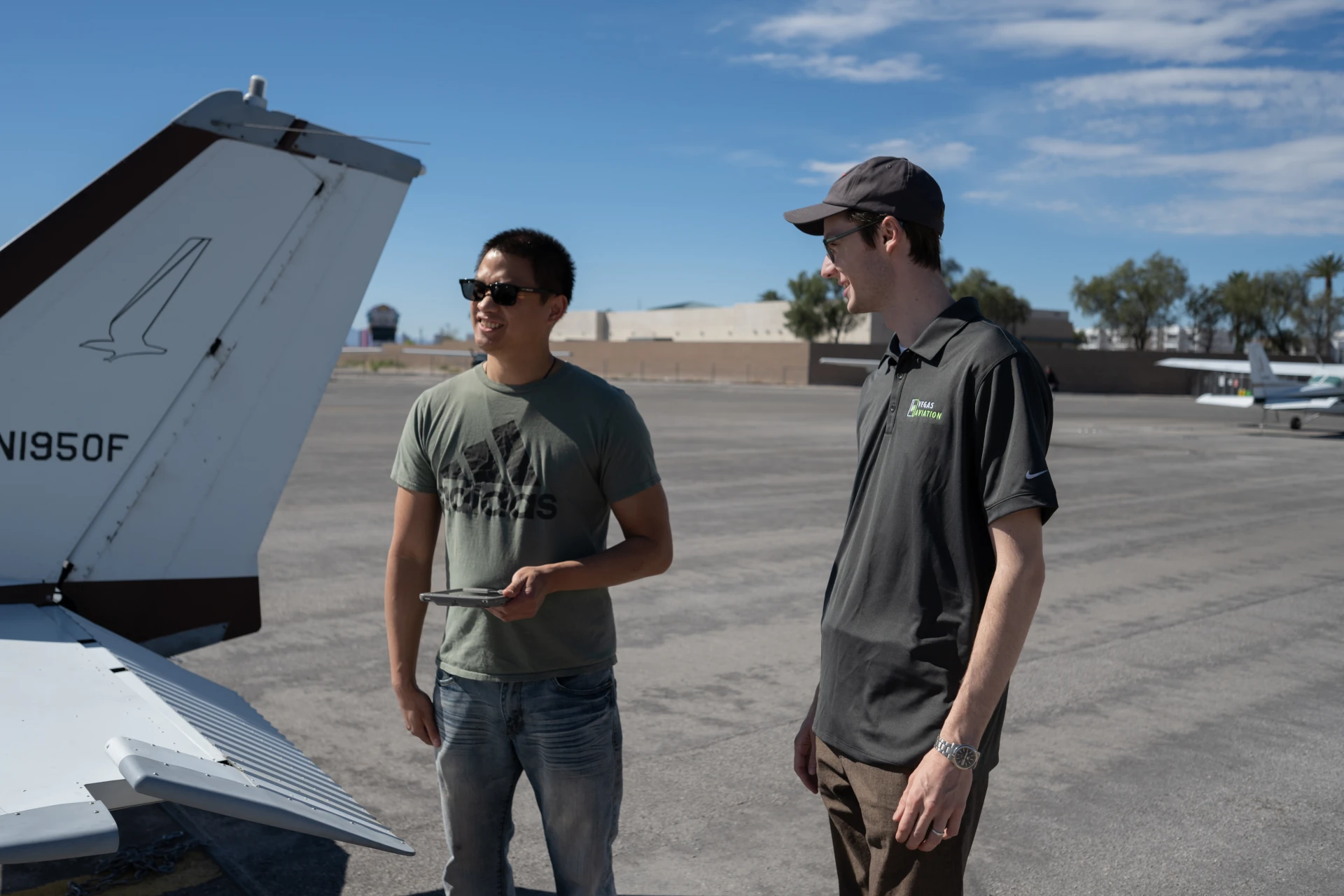
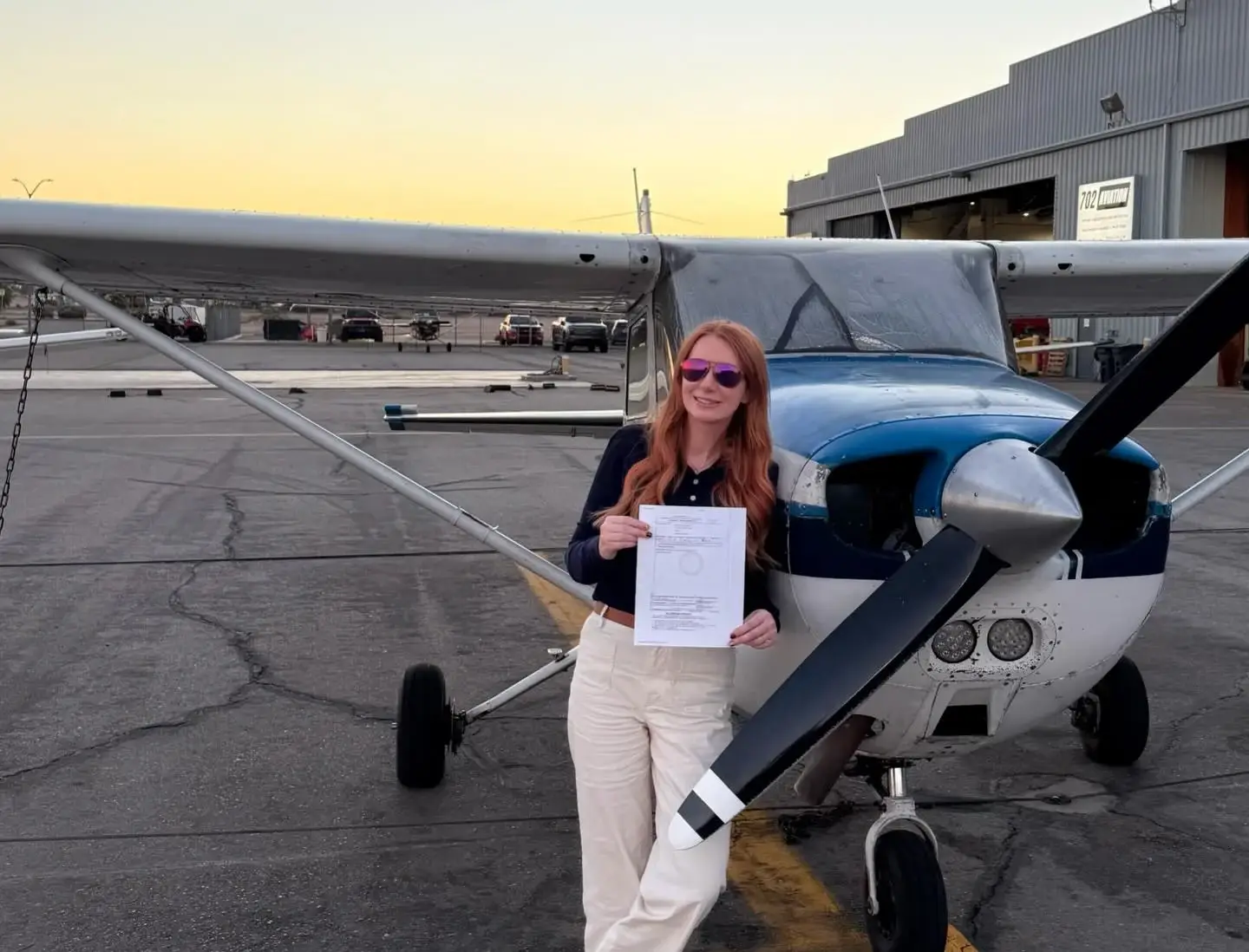
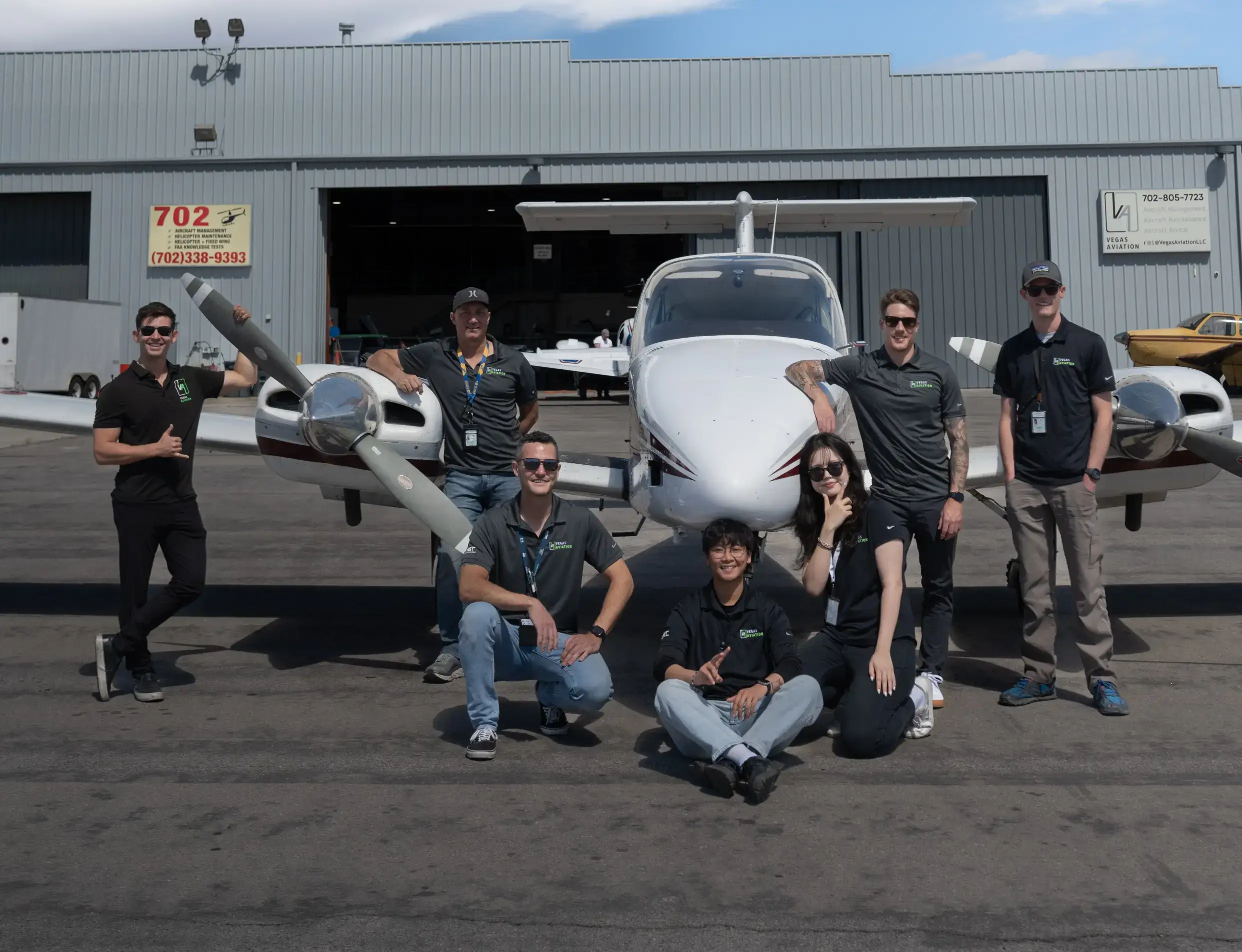
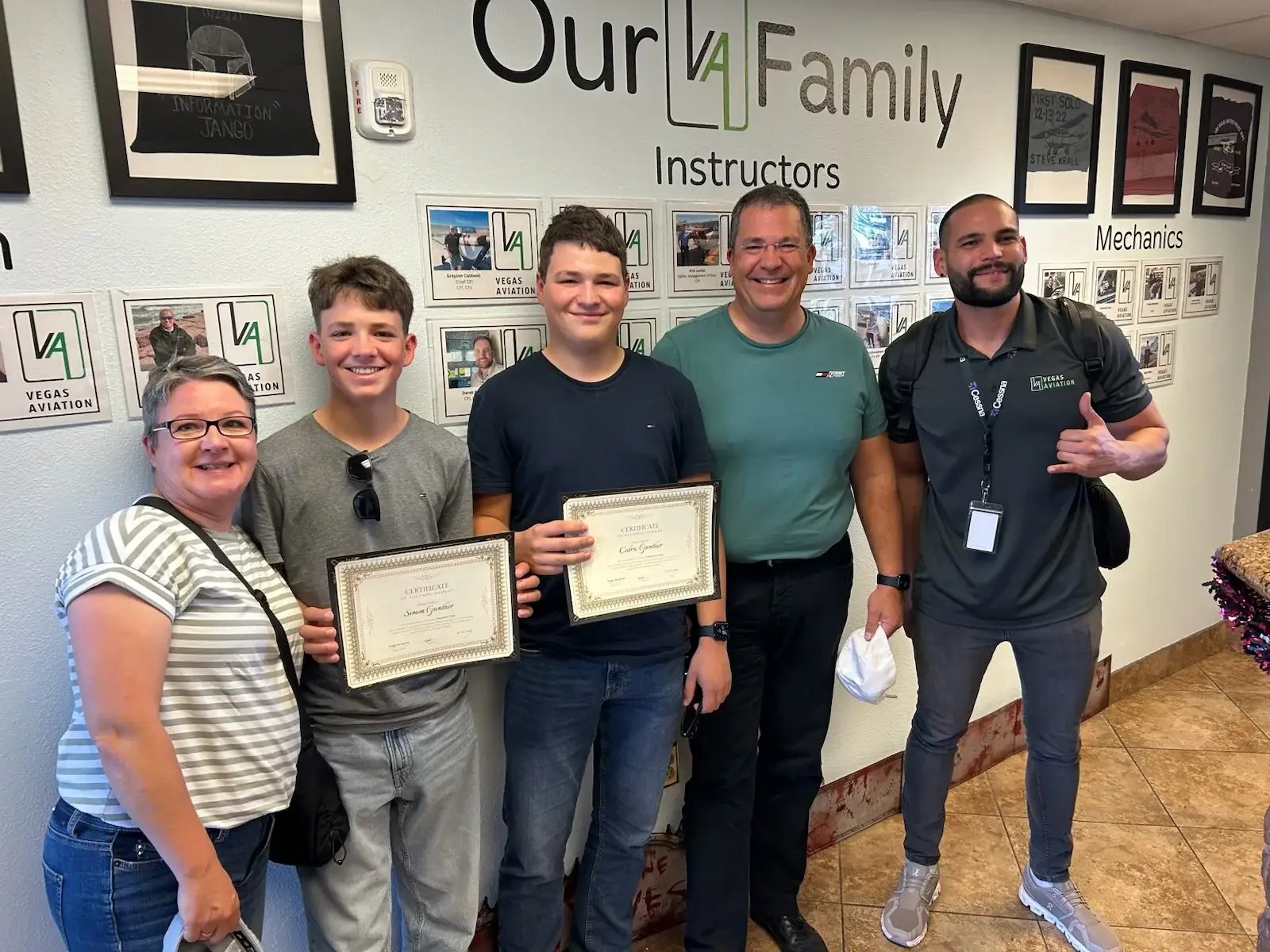
Questions about the flight can lead into a practical conversation about learning to fly.
Questions first-time flyers ask before a discovery flight
Do I need a student pilot certificate first?
You do not need a student pilot certificate to take flying lessons. The FAA explains that it becomes necessary before solo flight in its student pilot certificate guidance. Our discovery flight is an instructor-supervised introduction.
Do I need an FAA medical certificate for this flight?
A medical certificate is not required simply to take an introductory lesson with an instructor. Medical qualification becomes relevant to later flying privileges. If you want to continue, review our medical-exam introduction and the FAA’s medical-certificate timing guidance; discuss personal eligibility questions with an Aviation Medical Examiner.
Can the flight count toward pilot training?
Qualifying instruction can count when it is properly documented. Your instructor must identify and log the training under the applicable requirements, including 14 CFR 61.51. Mention your interest in continuing toward private pilot training so you can discuss a logbook entry.
Can I bring a friend or book for a child?
Discuss guests and younger participants before booking. Aircraft capacity, fit, and participation requirements affect the arrangements. Include those details in your discovery-flight request so our team can help you plan appropriately.
What if the weather changes?
The instructor evaluates the conditions for the flight. The profile or schedule can change with weather and operating needs. Confirm how updates and rescheduling work when arranging your introductory flight.
How is this different from starting a full training program?
A discovery flight lets you explore the experience before choosing a longer training plan. Ongoing private pilot instruction builds skills across a sequence of lessons toward certificate requirements. You can use the debrief to decide whether that next commitment interests you.
Request your first flight with Vegas Aviation
Start with a flight that gives your curiosity somewhere practical to go. Request your discovery flight, share your preferred date, and tell us about any guest or preparation questions. We will help you confirm the details so you can arrive knowing what the first step involves.